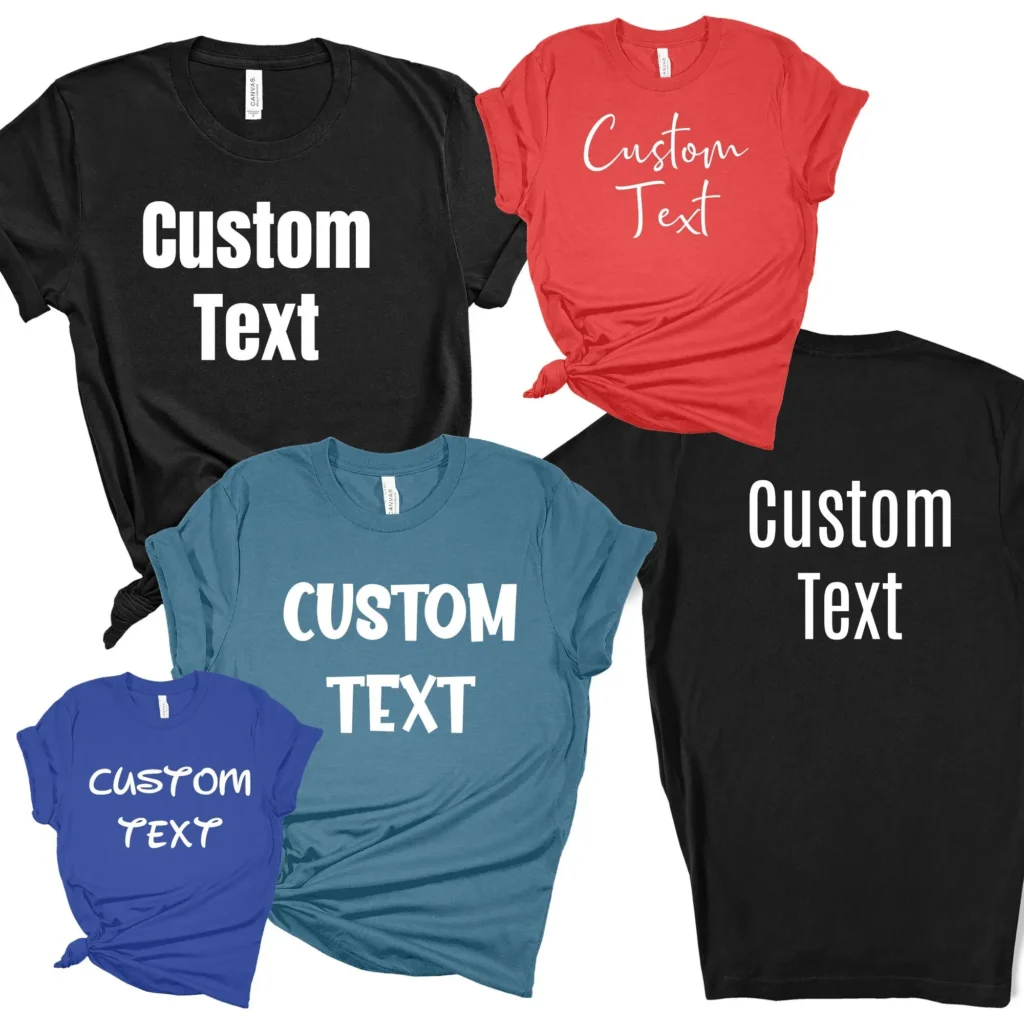
Custom shirts are more than just clothing; they’re a powerful way to express a brand, celebrate an event, or build a personal wardrobe staple. Getting the look right hinges on choosing the right fabric and the best shirt printing methods, because your final garment’s appeal rests on these choices. Exploring options such as custom shirt materials helps balance comfort, durability, and color fidelity for any design. Beyond materials, you can craft a line of personalized shirts by aligning fit, color, and branding to create a cohesive look. When you optimize these elements, you’ll get a durable, flattering piece that wears well and communicates your message clearly.
Beyond ready-made options, the idea expands into bespoke apparel that communicates purpose through thoughtful fabric, branding, and finish. In this approach, you pair premium materials with imprint techniques and embroidery choices to achieve durable, visually striking results. Careful attention to sizing, drape, and silhouette ensures the line remains versatile for teams, events, and everyday wear. Whether you’re outfitting a corporate crew or a fan club, the success comes from clear briefs, scalable production, and reliable care guidelines that keep looks consistent.
Materials Deep Dive: Selecting the Right Fabric for Custom Shirts
Materials choice forms the foundation of a great custom shirt. When you think in terms of custom shirt materials, you consider how fabric feels next to skin, how it drapes across the chest, and how well it accepts your design. The right fabric can improve comfort, longevity, and print fidelity across repeated washes.
From cotton to blends and performance fabrics, each option has tradeoffs. Cotton offers breathability but may shrink if not pre-washed; blends balance softness with durability; performance fabrics add moisture-wicking for active wear. Also consider eco-friendly options like organic cotton or recycled blends and how fabric weight (gsm) and texture affect the overall look of your custom shirts.
Fabric Options for Custom Shirts: From Cotton to Performance Tech
Exploring fabric options for custom shirts helps you match use-case to fiber. Cotton provides a natural hand, while cotton blends improve wrinkle resistance and color retention. Performance fabrics add moisture management for sports or outdoor events.
Consider weight and texture: light 90–150 gsm for warm climates or undershirts, mid 150–180 gsm for everyday wear, heavier 180+ gsm for structured looks like polos and jackets. Eco-conscious choices like organic cotton and bamboo blends meet sustainability goals while offering a premium hand feel. When evaluating fabric options for custom shirts, also weigh colorfastness, shrinkage potential, and how the fabric interacts with your chosen printing method.
Shirt Printing Methods: How Printing Impacts Look and Longevity
Shirt printing methods determine color vibrancy, texture, and durability. Screen printing, DTG, heat transfer, embroidery, and dye sublimation each create distinct outcomes. The method you choose should align with your design’s complexity and batch size.
Evaluate scale, color palette, and fabric compatibility: screen printing shines for bulk runs on sturdy fabrics; DTG is great for full-color logos on cotton-rich shirts, while sublimation suits all-over prints on polyester. Proofing and a test run help ensure placement and color accuracy before mass production, safeguarding the longevity of your design.
Custom Shirts Fit: Achieving a Flattering, Comfortable Silhouette
Fit matters as much as color or print. When you optimize custom shirts fit, you improve wearability, logo placement, and overall silhouette. Measure chest, waist, shoulder width, sleeve length, and torso length to pick regular, slim, or relaxed cuts.
Tailoring considerations extend to gender-specific shaping and fit for teams or brands. For men, a slightly looser chest can reduce pulling on the design; for women, bust and waist shaping helps avoid fabric pulling. If you’re between sizes, order a sample or size up with a planned alteration to ensure your custom shirts fit perfectly.
Personalized Shirts: Elevating Brand and Event Identity
Personalized shirts empower brands and groups to tell a story. A well-defined approach to branding—color codes, Pantone references, and precise placement—ensures consistency across all garments, reinforcing identity and cohesion.
Choosing between embroidery and printing affects texture and durability for personalized shirts. Embroidery offers premium longevity for logos or small text, while screen or DTG printing can handle complex artwork. Providing a clear brief and proof helps maintain color fidelity and alignment across all pieces.
From Concept to Wardrobe: Planning, Care, and Vendor Selection
Turning a concept into wardrobe staples starts with planning: minimums, proofing, and lead times shape budgets and schedules. Clarify your target order size and design requirements, then request digital proofs and physical samples to minimize revisions.
Care and maintenance extend the life of the shirts. Provide washing guidelines, proper drying, and storage tips to keep colors vibrant and fabrics intact. When selecting a vendor, ask about turnaround times, pricing, and post-purchase support to ensure a smooth, ongoing collaboration.
Frequently Asked Questions
What are the best fabric options for custom shirts to balance comfort, durability, and printability?
Among the fabric options for custom shirts, you’ll find 100% cotton, cotton blends, performance fabrics, and eco-friendly choices. Choose based on use-case: cotton or blends for everyday wear or uniforms, performance fabrics for moisture-wicking and durability. For printing results, cotton accepts vibrant DTG inks well, while polyester-based options and blends are ideal for dye sublimation or durable screen printing; consider fabric weight (gsm) and texture to influence drape and finish.
Which shirt printing methods are best for high-quality custom shirts with bold logos?
For bold logos on custom shirts, screen printing is a classic choice for its durability and cost-effectiveness at scale. Direct-to-garment (DTG) shines with full-color, photo-like designs for small runs and intricate details, especially on cotton-rich fabrics. Heat transfer or vinyl is great for simple designs or personal customization, while embroidery offers a premium touch for logos on polos and jackets. Dye sublimation works well on polyester when you need all-over color.
How can I ensure a precise custom shirts fit for a mixed team with men’s and women’s sizing?
A precise custom shirts fit starts with accurate measurements: chest/bust, waist, hips, shoulder width, sleeve length, and torso length. Choose fit styles (regular, slim, relaxed) and consider gender-specific tailoring for women. Use the vendor’s sizing chart, request a sample or fit kit, and factor logo placement into sizing decisions to keep proportions balanced across sizes for a team.
What materials make up your custom shirts, and how do they affect print results and care?
Materials for custom shirts typically include cotton, cotton blends, and performance fabrics. Cotton offers softness and breathability but may shrink; blends reduce wrinkling and improve color retention; performance fabrics provide moisture-wicking and durability. Print results vary by material: DTG on cotton yields vibrant details, while sublimation targets polyester. Care involves following fabric guidelines, pre-washing, and appropriate washing/drying to preserve color and texture.
How can personalized shirts be designed to align with branding while using standard custom shirts?
Design personalized shirts by starting with a clear brief that includes brand guidelines, color codes (Pantone is helpful), and logo placement. Ensure consistency across all garments by using a cohesive color palette and sizing strategy, request digital proofs and physical samples, and choose printing methods that balance cost with durability. This approach helps you achieve a unified, branded look across all custom shirts.
What care instructions should accompany custom shirts to maximize lifespan across different printing methods and fabrics?
Provide clear care guidelines: turn shirts inside out, wash in cold or warm water with mild Detergent, and avoid high-heat drying. Air-drying is best; if using a dryer, opt for low heat. Iron inside out when needed and follow fabric care labels. For prints, test a small area first and tailor care by printing method (e.g., DTG vs. screen printing) to maintain color vibrancy and fabric integrity over time.
| Topic | Key Points | Notes/Examples |
|---|---|---|
| Materials | – Material choice affects comfort, drape, durability, and print quality. – Common options: cotton (breathable, soft, easy to dye; may shrink), cotton blends (durable, wrinkle-resistant), performance fabrics (moisture-wicking, quick-dry), eco-friendly options (organic cotton, recycled fibers), fabric weight/texture (gsm; light 90–150, mid 150–180, heavy 180+; textures like slub, twill). – Consider pre-wash behavior and colorfastness; ensure fabric suits design and use case. |
|
| Printing and personalization | – Common methods: Screen printing (bold colors, large runs, durable; higher setup); Direct-to-garment (DTG) (full color, small runs, detailed; best on cotton; may require underbase on darks); Heat transfer/vinyl (flexible for small runs; may crack); Embroidery (premium look, durable); Dye sublimation (all-over prints on polyester; vibrant; not for 100% cotton). – Durability and care vary by method; test prints/proofs recommended. |
|
| Durability and care | – Printing method impacts wash durability (screen printing often very durable; DTG can soften with time); Embroidery lasts long but adds cost. – Provide clear care guidelines to extend color and fabric life. |
|
| Fit and sizing | – Key body measurements: chest, waist, hips, shoulder width, sleeve length, torso length. – Fit styles: Regular, Slim, Relaxed. – Gender-specific tailoring vs. unisex options. – How to measure: wear light clothing, use tape, compare to sizing chart; consider trying samples if between sizes. – Length matters for tuck/untuck and use case. – Branding considerations: logo size/placement can affect perceived size. |
|
| Choosing a vendor and planning your order | – Consider minimums and costs; ask for sample runs or dye-sublimation test pieces. – Always request a proof/mockup before production; ensure color/placement accuracy. – Plan turnaround times around events; longer for larger orders; arrange for contingencies. – Provide care and maintenance guidelines to customers. |
|
| Care and maintenance | – Washing: inside-out, cold/warm water, gentle cycle; avoid harsh bleach. – Drying: air-dry preferred; if using a dryer, low heat. – Ironing: inside-out or with a protective cloth; check fabric care labels. – Storage/handling: cool, dry place; avoid folding designs over themselves. |
|
| Practical tips | – Start with a clear brief: brand guidelines, color codes (Pantone), placement. – Test designs on samples to judge print detail and color translation. – Consider usage scenarios (events, office, athletic); align fabric and print method. – Plan variations (men’s and women’s) with a cohesive color palette and logo strategy. |