
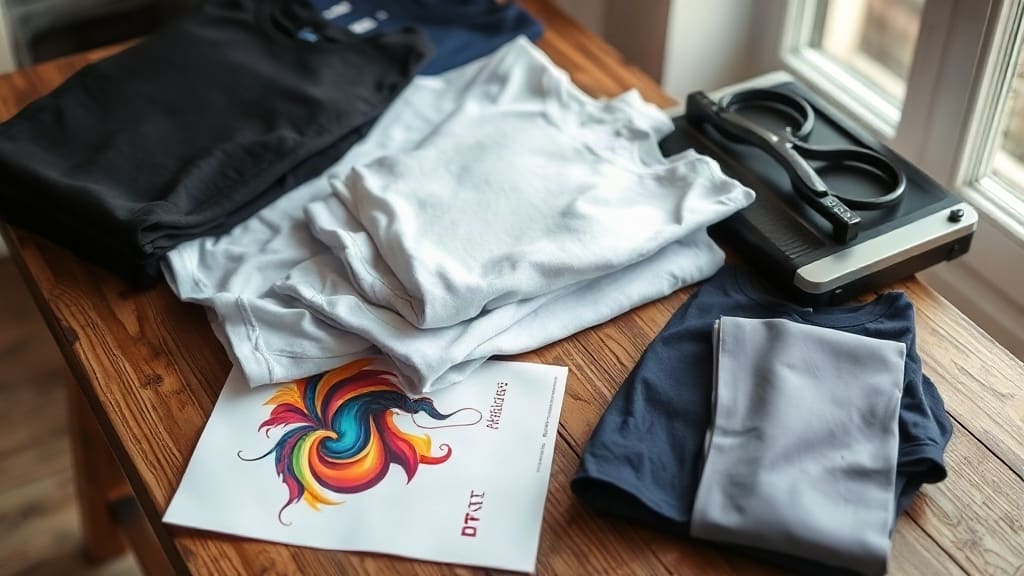
If you are a screen printer, heat press operator, or boutique owner, you already know that the right blank garment can make or break a custom apparel project. The combination of smart blanks, shaka wear, and dtf transfers has become a go-to solution for producing vibrant, durable prints without the hassle of traditional methods. This guide will walk you through why these three elements work so well together, how to choose the best materials, and practical tips to elevate your finished products.
Why Smart Blanks Are Changing the Custom Apparel Game
Not long ago, printers had to choose between cheap blanks that felt rough and premium blanks that cost a fortune. Smart blanks bridge that gap. These are garments engineered with a balance of softness, durability, and price point. They often feature ring-spun cotton or cotton-poly blends that take to dtf transfers beautifully. The term "smart" refers to how the fabric is constructed: consistent thread count, tight weave, and minimal shrinkage. This consistency means your heat press settings stay the same from shirt to shirt, reducing waste and guesswork.
When you source smart blanks, look for details like double-needle stitching, shoulder-to-shoulder taping, and a smooth print surface. These features ensure that your dtf transfers adhere evenly and survive dozens of washes. Brands that specialize in smart blanks often test their fabrics with common decoration methods, so you are not reinventing the wheel.
Key Features to Look For in Smart Blanks
- Fabric content: 100% ring-spun cotton or a cotton-poly blend (50/50 or 60/40) works best for DTF.
- Weight: 4.2 to 5.5 oz is ideal for year-round wear and easy printing.
- Surface: Tightly knit, no heavy slubs or irregularities that can cause transfer lifting.
- Colorfastness: Dyed with reactive dyes to prevent bleeding during pressing.
By choosing smart blanks, you set a reliable foundation. But the garment is only half the story. The other half is the brand and the decoration method.
Shaka Wear: A Favorite Among Streetwear and DTF Printers
Shaka Wear has earned a loyal following for its heavyweight tees, hoodies, and tanks. The brand is known for its boxy fit, which appeals to streetwear and skate culture. For DTF printers, Shaka Wear garments offer a smooth, tight-knit surface that grips the transfer film well. The cotton is typically combed and ring-spun, giving it a soft hand feel that customers love.
One of the reasons shaka wear pairs so well with dtf transfers is the fabric's ability to withstand high heat without scorching. Many Shaka Wear tees are 6.0 oz or heavier, which means they can take the 320-350°F temperatures needed for DTF without burning or discoloring. The density also helps the transfer embed into the fibers for a long-lasting bond.
Popular Shaka Wear Styles for DTF Printing
- SHASS01: A classic 6.0 oz heavyweight tee with a relaxed fit.
- SHMHSS: A hoodie with a soft fleece interior, great for winter drops.
- SHTRS: A tank top that takes transfers well on the front and back.
When you combine shaka wear with smart blanks from other brands, you give your customers variety without sacrificing print quality. The key is to test each style with your DTF transfers before a big order.
DTF Transfers: The Technology That Ties It All Together
DTF transfers, or direct-to-film transfers, have exploded in popularity because they eliminate the need for weeding, masking, and multiple screens. You print your design onto a special film, powder it with hot-melt adhesive, and press it onto the garment. The result is a soft, stretchable print that holds up wash after wash.
But not all DTF transfers are created equal. The quality of the film, ink, and powder matters. When you use smart blanks and shaka wear, you are already starting with a good surface. To get the best results, follow these steps:
- Pre-press the garment: This removes moisture and wrinkles, ensuring a smooth surface.
- Set the right temperature: Most DTF transfers require 320-350°F with medium to high pressure.
- Peel at the right time: Some films are hot peel, others cold peel. Check your supplier's instructions.
- Post-press for durability: A second press for 5-10 seconds after peeling can improve wash fastness.
By mastering these steps, you can achieve professional results on smart blanks and shaka wear garments every time.
How to Choose the Right Combination for Your Project
Every project has different needs. A high-end boutique might want a soft, lightweight smart blank with a small left-chest dtf transfer. A streetwear brand might prefer a heavyweight shaka wear tee with a large back print. Here are a few scenarios to help you decide:
- Retail-ready tees: Use a 4.3 oz smart blank for a retail fit, and press a full-color DTF transfer for a premium look.
- Event merchandise: Choose a 5.5 oz smart blank or a Shaka Wear tee for durability, and use bold DTF transfers that pop.
- Athletic wear: Look for polyester-rich smart blanks that wick moisture, and use DTF transfers designed for synthetics.
Remember that the weight and color of the garment affect the final look. Dark colors require a white underbase in the DTF transfer, which can make the print slightly thicker. Light colors can use a thinner transfer, resulting in a softer feel.
Maximizing Profitability with Smart Blanks, Shaka Wear, and DTF
Your profit margin depends on sourcing, efficiency, and pricing. Here are some tips to keep costs down and quality up:
- Buy in bulk: Smart blanks and Shaka Wear often have volume discounts. Stock up on popular colors and sizes.
- Standardize your transfers: If you use the same DTF transfer size for multiple designs, you can gang them on one film and save on material.
- Offer upsells: Custom neck labels, hang tags, and poly bags can turn a basic tee into a retail-ready product.
- Educate your customers: Teach them how to wash DTF-printed garments (inside out, cold water, hang dry) to extend the life of the print.
By combining smart blanks, shaka wear, and dtf transfers, you position yourself as a one-stop shop for custom apparel. Whether you are printing one-offs or thousands, this trio delivers quality and consistency.
Common Mistakes to Avoid
Even experienced printers run into issues. Here are some pitfalls to watch for:
- Using too much pressure: This can cause the transfer to spread and lose detail. Aim for medium pressure.
- Ignoring fabric blends: DTF transfers adhere differently to cotton vs. polyester. Always test.
- Skipping the pre-press: Moisture in the garment can cause the transfer to peel or bubble.
- Cooling too quickly: Let the transfer cool slightly before peeling if it is a cold-peel film.
With a bit of practice, you will develop a feel for what works best with your equipment and your chosen blanks.
Frequently Asked Questions
Can I use DTF transfers on Shaka Wear hoodies?
Absolutely. Shaka Wear hoodies are typically made of heavyweight cotton or cotton-poly fleece. The key is to pre-press the area to flatten the fleece, and use a higher pressure to ensure the transfer penetrates the fibers. Avoid pressing on zippers or seams.
What makes smart blanks different from regular blanks?
Smart blanks are designed with consistent fabric construction, tighter weave, and often a softer hand feel. They are engineered to work well with digital decoration methods like DTF, offering predictable results and less waste.
How do I wash a DTF-printed shirt to make it last?
Turn the shirt inside out, wash in cold water with mild detergent, and avoid fabric softener. Tumble dry on low or hang dry. Do not iron directly on the print. Following these steps will keep the print vibrant for years.
Do I need a special printer for DTF transfers?
Yes, DTF printing requires a dedicated DTF printer that uses pigment inks and a powder shaker. However, you can also buy pre-printed DTF transfers from suppliers and apply them with a standard heat press.
Which is better for DTF: 100% cotton or a cotton-poly blend?
Both work well, but 100% cotton gives a softer feel and better ink absorption. Cotton-poly blends are more durable and resist shrinkage, but may require slightly different press settings. Test both to see which suits your market.