
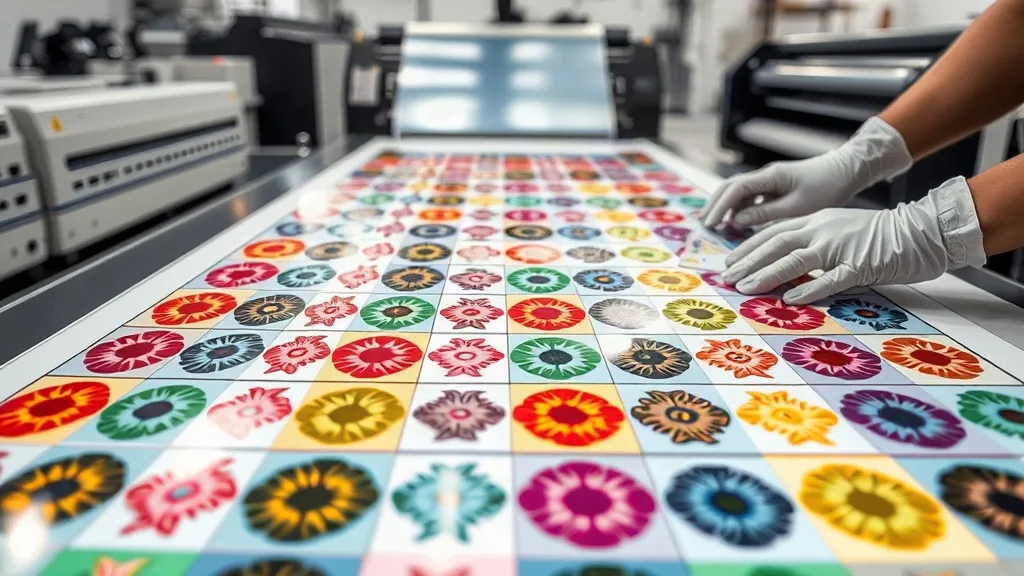
In the competitive world of custom apparel, staying profitable while delivering high-quality designs is a constant challenge. Print shops and apparel decorators are always on the lookout for methods that reduce waste, save time, and lower costs without sacrificing quality. One solution that has gained significant traction is the DTF Gangsheet. This approach to direct-to-film (DTF) printing allows you to arrange multiple designs on a single sheet, maximizing efficiency and minimizing material waste. In this article, we'll explore what DTF gangsheets are, their benefits, how to create them effectively, and why they might be the missing piece in your production workflow.
What is a DTF Gangsheet?
A DTF Gangsheet is a large sheet of DTF film that contains multiple printed designs, typically arranged to optimize space and reduce waste. Instead of printing each design individually, you consolidate them onto one sheet, which is then pressed onto garments. This method is particularly useful for small to medium-sized orders with varied designs, as it allows for efficient production without the need for screen setup or excessive material use.
The term "gang" refers to grouping multiple items together, and in DTF printing, it means grouping designs to be printed in a single pass. This not only speeds up the printing process but also ensures consistent quality across all transfers on the sheet.
Why DTF Gangsheets Are a Game-Changer for Custom Apparel
DTF printing itself has revolutionized the industry by enabling vibrant, full-color transfers on a wide range of fabrics without the need for pretreatment or weeding. Gangsheets take this a step further by addressing some of the most pressing pain points for apparel decorators: cost, time, and flexibility.
Cost Savings
Material waste is a significant expense in any printing operation. By arranging multiple designs on a single sheet, you maximize the use of film and powder, reducing waste per design. Additionally, gangsheets allow you to take advantage of bulk pricing on materials and reduce labor costs associated with handling individual sheets.
Time Efficiency
Printing multiple designs at once means fewer setup changes and less machine downtime. For orders with many small designs, gangsheets can cut production time dramatically. This efficiency is especially beneficial for businesses that handle a high volume of small orders or personalized items.
Design Flexibility
Gangsheets enable you to mix different designs on the same sheet, making it easy to produce variety packs or fulfill orders with multiple design options. This flexibility is a boon for businesses that offer custom products with unique designs per item.
How to Create an Effective DTF Gangsheet
Creating a gangsheet requires careful planning to ensure you maximize space and maintain print quality. Here are some best practices:
1. Plan Your Layout
Use design software to arrange your designs on the sheet efficiently. Consider the size and shape of each design and nest them to minimize empty space. Rotating designs can sometimes help fit more onto a sheet.
2. Maintain Proper Spacing
Leave enough space between designs to allow for cutting and to prevent ink bleeding. A general rule is to leave at least 0.25 inches between designs.
3. Consider the Grain of the Film
DTF film has a grain direction, and aligning your designs with the grain can improve print quality and reduce the risk of curling.
4. Group Similar Designs
If you have multiple designs with similar color profiles, group them together to optimize ink usage and reduce color variation across the sheet.
5. Test and Refine
Before committing to a full production run, print a test gangsheet to check for any issues with layout, color, or adhesion. Adjust as needed.
DTF Gangsheets vs. Other Printing Methods
When compared to other decoration methods like screen printing or vinyl cutting, DTF gangsheets offer distinct advantages:
- No color limitations: DTF can print full-color designs with gradients and fine details, unlike screen printing which requires separate screens for each color.
- No weeding: Unlike vinyl, DTF transfers don't require weeding, saving time and labor.
- Works on multiple fabrics: DTF adheres well to cotton, polyester, blends, and even treated nylon, making it versatile.
- Cost-effective for small runs: Screen printing becomes cost-prohibitive for small orders due to setup costs, while DTF gangsheets are economical even for single items.
Common Challenges and Solutions
While DTF gangsheets offer many benefits, there are some challenges to be aware of:
- Color consistency: Ensure your printer is calibrated and use consistent ink and powder. Grouping similar colors can help.
- Adhesion issues: Proper powder application and curing are crucial. Follow the manufacturer's guidelines for temperature and time.
- Film curling: Store film in a controlled environment and avoid excessive humidity. Using a film holder can also help.
By addressing these challenges proactively, you can maximize the benefits of gangsheets.
Applications of DTF Gangsheets
DTF gangsheets are ideal for a variety of applications, including:
- Custom t-shirts: Perfect for small batches with multiple designs.
- Promotional items: Quickly produce branded merchandise for events.
- Sports teams: Create unique designs for each player or team.
- Corporate uniforms: Efficiently produce uniforms with logos and names.
- Fashion samples: Prototype designs without large investments.
Expert Tips for Maximizing DTF Gangsheet Efficiency
To get the most out of your DTF gangsheets, consider these expert tips:
- Invest in quality software: Use RIP software that supports nesting and gangsheet creation to automate layout.
- Keep a design library: Organize frequently used designs for quick inclusion in gangsheets.
- Standardize sizes: If possible, standardize design sizes to make layout planning easier.
- Monitor ink levels: Running out of ink mid-print can ruin a gangsheet. Keep spare cartridges on hand.
- Train your team: Ensure everyone follows best practices for handling and pressing gangsheets.
Frequently Asked Questions
What is the maximum size for a DTF gangsheet?
The maximum size depends on your printer's capabilities. Common sizes are 13x19 inches for desktop printers and up to 24 inches wide for larger formats. Always check your printer's specifications.
Can I mix different fabrics on the same gangsheet?
Yes, DTF transfers can be applied to various fabrics, but the pressing parameters (temperature, time, pressure) may vary. It's best to group garments with similar pressing requirements together.
How do I store unused DTF gangsheets?
Store them in a cool, dry place away from direct sunlight. Keep them flat to prevent curling. Using a protective sleeve or folder can help.
Is DTF printing durable for repeated washes?
When properly applied, DTF transfers are highly durable and can withstand multiple washes without fading or cracking. Follow the care instructions provided with your transfers.
Can I use DTF gangsheets for small orders?
Absolutely! Gangsheets are ideal for small orders because they reduce waste and allow you to print multiple designs at once, making small runs cost-effective.
In conclusion, DTF gangsheets are a powerful tool for any apparel decorator looking to streamline production, reduce costs, and offer greater flexibility. By understanding how to create and use them effectively, you can stay ahead of the competition and deliver high-quality custom apparel that customers love.