
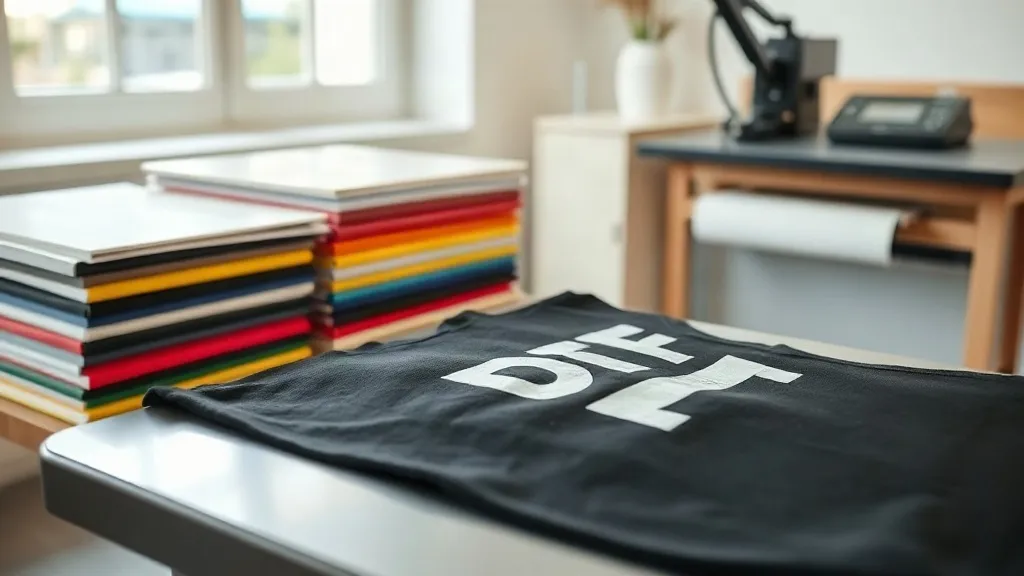
Custom apparel has never been more accessible, thanks to dtf transfers. Whether you're a small business owner, a hobbyist, or someone looking to create personalized gifts, DTF (Direct to Film) transfers offer a versatile and cost-effective solution. In this guide, we'll explore what DTF transfers are, how they work, and why they might be the perfect choice for your next project.
What Are DTF Transfers?
DTF transfers are a relatively new printing technology that allows you to transfer full-color designs onto fabrics. The process involves printing your design onto a special film using dtf printers, then applying a powder adhesive and heat-pressing the film onto the garment. The result is a durable, vibrant print that adheres well to a variety of materials, including cotton, polyester, and blends.
The DTF Printing Process
The DTF process begins with your digital artwork. The design is printed onto a PET film using specialized DTF inks. While the ink is still wet, a thermoplastic powder is applied, which melts and bonds with the ink. Once the film is prepared, it's placed onto the fabric and heat-pressed. The powder melts, fusing the ink to the fabric. After cooling, the film is peeled away, leaving a soft, flexible print.
Why Choose DTF Transfers?
DTF transfers offer several advantages over other printing methods like screen printing or vinyl. Here are some key benefits:
- Vibrant colors: DTF printers can produce high-resolution, full-color designs with smooth gradients and fine details.
- Versatility: Works on almost any fabric, including dark colors and synthetic materials.
- Durability: Prints resist cracking, peeling, and fading, even after multiple washes.
- Cost-effective for small batches: No minimum order quantity, making it ideal for one-offs or small runs.
- Soft hand feel: The prints are lightweight and flexible, not stiff like some other transfer methods.
Applications of DTF Transfers
DTF transfers are incredibly versatile and can be used for a wide range of applications. Here are some popular uses:
- Custom t-shirts: Create personalized shirts for events, teams, or businesses.
- Hoodies and sweatshirts: Add logos or designs to warm apparel.
- Tote bags: Make eco-friendly promotional items.
- Sportswear: DTF works well on performance fabrics.
- Corporate uniforms: Branded workwear with durable prints.
How to Apply DTF Transfers
Applying DTF transfers is straightforward with the right equipment. Here's a step-by-step guide:
- Preheat the fabric: Remove moisture and wrinkles by pressing the garment for a few seconds.
- Position the transfer: Place the DTF film onto the fabric with the printed side down.
- Heat press: Set your heat press to 325°F (160°C) and press for 10-15 seconds with medium pressure.
- Peel the film: Wait a few seconds for the transfer to cool slightly, then peel the film off in a smooth, steady motion.
- Post-press: For extra durability, press again for 5 seconds with a Teflon sheet or parchment paper.
Note: Always follow the specific instructions provided with your DTF transfers, as temperatures and times may vary.
Finding DTF Transfers Near You
If you're looking for dtf transfers near me, you have several options. Local print shops may offer DTF services, or you can order online from specialized suppliers. When choosing a supplier, consider factors like print quality, turnaround time, and customer reviews. Many online services allow you to upload your design and receive ready-to-press transfers within days.
DTF vs. Other Printing Methods
How does DTF compare to other popular printing techniques? Let's break it down:
- Screen printing: Better for large orders and simple designs, but DTF excels with complex, full-color designs and small batches.
- Vinyl (HTV): Vinyl is great for single-color designs but limited in detail. DTF handles gradients and photos with ease.
- Direct-to-garment (DTG): DTG requires specially treated fabrics and can be slower. DTF works on more materials and often has a lower startup cost.
Tips for Successful DTF Transfers
To get the best results with DTF transfers, keep these tips in mind:
- Use high-quality artwork: Ensure your design is high resolution (300 DPI) for crisp prints.
- Test on a swatch: Before pressing onto a final garment, test on a similar fabric to dial in your press settings.
- Store transfers properly: Keep unused transfers in a cool, dry place to prevent the powder from absorbing moisture.
- Wash inside out: To prolong the life of the print, wash garments inside out in cold water and tumble dry low.
Frequently Asked Questions
Can I use DTF transfers on dark fabrics?
Yes, DTF transfers work beautifully on dark fabrics. The white ink layer in the transfer ensures that colors pop, even on black or navy garments.
How long do DTF transfers last?
With proper care, DTF transfers can last as long as the garment itself. They are resistant to cracking and fading, but always follow washing instructions to maximize longevity.
What equipment do I need to apply DTF transfers?
You'll need a heat press (or a home iron with careful technique) and a Teflon sheet or parchment paper for post-pressing. A heat press is recommended for consistent results.
Are DTF transfers safe for children's clothing?
Yes, DTF transfers are safe when applied correctly. The inks and powders used are generally non-toxic, but always source from reputable suppliers.
Can I layer DTF transfers?
Layering is possible but not recommended for beginners. It can be done by applying one transfer, then another on top, but proper pressing is crucial to avoid peeling.
DTF transfers are a game-changer for custom apparel, offering unmatched versatility and quality. Whether you're a seasoned pro or just starting, DTF opens up a world of creative possibilities. So why not give it a try? Your next masterpiece is just a heat press away.