
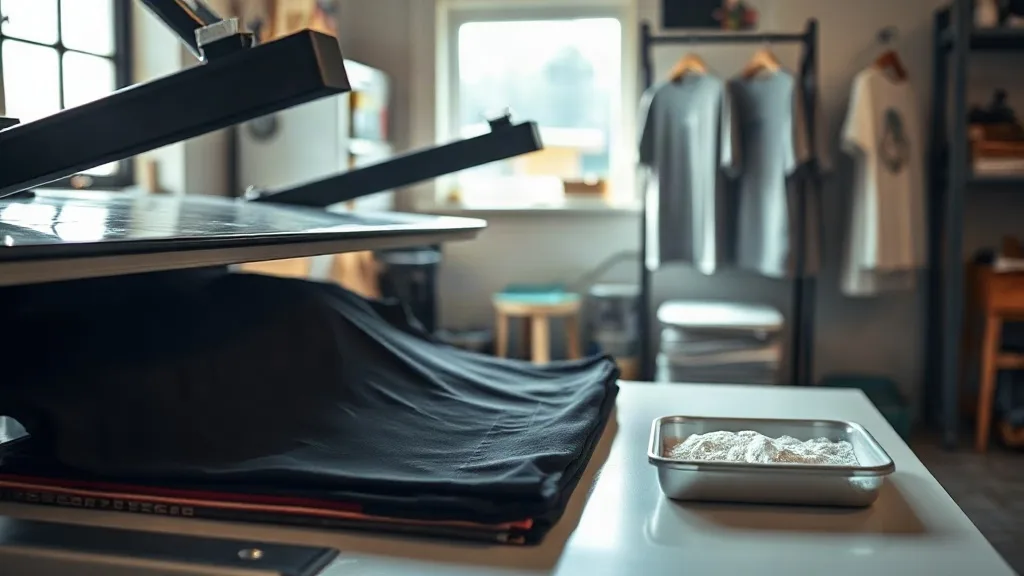
Walk into any small apparel shop these days and you will likely see a heat press running with a sheet of film rather than a screen or a roll of vinyl. That shift is largely thanks to dtf transfers, a printing method that lets you produce full-color, photographic-quality graphics on almost any fabric without setup screens, color separations, or a closet full of specialty inks. For a shop doing twenty shirts one day and two hundred the next, that flexibility changes how you quote jobs and how fast you can say yes.
This guide is written for people who actually press shirts for a living, or who are about to. It covers what dtf film really is, how to dial in your press so transfers do not peel after two washes, how to store sheets so they do not curl or absorb humidity, and what to ask before you order from a supplier. If you are searching for dtf transfers near me because a deadline is looming, there is a section on that too.
What a DTF Transfer Actually Is
A dtf transfers sheet is a printed film carrying a mirror-image design in water-based pigment inks, dusted with a thermoplastic adhesive powder while the ink is still wet. The powder fuses into the ink under heat, and that fused layer becomes the glue that bonds the design to fabric. You press the sheet face-down onto the garment, peel the film while it is still hot or once it cools (depending on the film type), and what remains is a thin, stretchy graphic.
The important detail is that the adhesive is on the outside of the ink, not the inside. That is why DTF adheres to cotton, polyester, blends, canvas, and even some nylon, while traditional transfer vinyl depends heavily on fabric composition. It also explains why pressing temperature and pressure matter so much: the powder has to flow into the weave, not sit on top of it.
Film types you will encounter
Most suppliers stock two families. Cold-peel film is peeled after the transfer cools completely, and it tends to hold fine detail and small text well. Hot-peel film comes off right after pressing, which speeds up production on simple designs but is less forgiving of intricate halftones. There is also a stretch-oriented film used for performance wear, which recovers better after repeated pulling. Ask your supplier which type you are buying, because press settings differ between them and mixing the two on one job creates inconsistent results.
Where DTF fits and where it does not
DTF shines on small runs, photographic artwork, gradients, and jobs with many colors and few units. It is also the practical answer for dark garments where screen printing would need a white underbase and multiple passes. Where it loses ground is on very large volume single-color work, where screen printing still wins on cost per piece, and on garments with heavy texture like thick waffle knits, where the film can bridge the surface instead of sinking into it.
Press Settings That Survive the Wash Test
Most complaints about peeling, cracking, or a plastic feel trace back to the press, not the film. A few habits separate shops with clean results from shops that reprint orders.
- Pre-press the garment. Ten to fifteen seconds of pressing removes moisture and wrinkles. Skipping this step traps steam under the transfer and causes bubbling.
- Mind the temperature window. Most films run best between 150 and 160 degrees Celsius. Too cool and the powder never fully flows; too hot and the film carrier can distort or scorch.
- Use firm, even pressure. Medium to high pressure on a press with a flat platen. A worn platen pad creates low spots that show up as dull patches weeks later.
- Respect the peel timing. Cold peel means cold. Peeling early pulls adhesive away from the fabric and leaves a matte, undercured surface.
- Post-press for durability. A second short press with a cover sheet or parchment smooths the surface and improves wash resistance.
Run a wash test before you commit to a new film or a new supplier. Print a small sample with fine text and a gradient, press it onto the fabric you use most, and put it through five home wash cycles. If edges lift or the surface crazes, adjust temperature and pressure before blaming the material.
Storage and Handling in a Busy Shop
DTF film is sensitive to humidity. Sheets left open in a damp back room will absorb moisture, and that moisture turns into steam during pressing, producing pinholes and weak adhesion. Keep unopened packs sealed, store opened sheets in a zip bag or a lidded bin with a desiccant, and keep them out of direct sunlight. Curled sheets are a warning sign: they usually mean the film has taken on moisture or been stored somewhere warm.
Powder needs similar care. It clumps when exposed to air, and clumped powder dusts unevenly, which shows up as patchy adhesive and premature cracking. Keep the container closed, use a shallow tray for application, and shake off excess powder over the tray rather than over the floor.
Buying Transfers: What to Check Before You Order
When you buy ready-made transfers, the questions you ask up front save a lot of reprints later. Color accuracy is the first one: ask whether the supplier prints with a color profile matched to the garment color you use most, and request a physical sample rather than judging from a screen. Also ask about ink laydown on dark fabrics, because a supplier that under-prints white will give you dull colors on black shirts.
Turnaround and shipping matter as much as price. Gang sheets, where you place multiple designs on one sheet to reduce waste, are a common way to lower cost per piece if your supplier supports them. For shops that need material quickly, searching for dtf transfers near me is a reasonable starting point, but verify the production location rather than the marketing address. A supplier that prints locally can often turn a rush order around in a day, while a reseller may be shipping from another region entirely.
A quick cost sanity check
Do not compare transfers on unit price alone. Factor in the garment, the press time, the failure rate, and the labor for reprints. A transfer that costs a little more but peels on one in fifty shirts is usually cheaper overall than a bargain sheet that fails on one in ten. Track your reprint rate for a month and you will know exactly what your real cost per finished shirt is.
Common Mistakes That Show Up on Finished Shirts
The most frequent error is pressing through the film without a cover sheet, which leaves a glossy sheen and can melt the carrier into the platen pad. The second is pressing a cold-peel transfer and peeling it immediately because the shop is busy, which produces edge lift that only appears after washing. The third is stacking freshly pressed garments before they cool, which traps heat and can cause the transfer to bond to the shirt above it.
There is also a design-side issue worth mentioning. Very fine hairlines under half a millimeter and tiny reversed-out text below about 8 points tend to fill in or break up. If a client insists on micro-text, test it on a sample before you run the full order.
Frequently Asked Questions
Can I use DTF transfers on 100 percent polyester?
Yes, and it is one of the method's strengths. Polyester holds DTF well, though you should press at the lower end of the temperature range and use a cover sheet to avoid glazing the fabric. On very smooth performance polyester, a slightly longer post-press improves durability.
How long do DTF transfers last on a shirt?
With correct pressing and normal washing inside out in cold water, most quality transfers hold up for dozens of wash cycles. Longevity depends far more on adhesion quality at press time than on the film itself, so your wash test is the real predictor.
Do I need a special press for DTF?
A standard flat heat press with reliable temperature and pressure control is enough. What you need is consistency, not a specialty machine. A press with a worn or domed platen will cause problems regardless of the film you use.
Can I print DTF transfers at home?
You can, with a dedicated DTF printer, pigment inks, film, and powder, plus ventilation for the powder curing step. Many small shops find it simpler to order finished transfers and keep the printer out of the equation until volume justifies the investment.
What is the difference between DTF and DTG?
DTG prints directly onto the garment, which limits it mostly to cotton and requires pretreatment. DTF prints onto film and transfers the design, which works across a much wider range of fabrics and lets you prepare prints ahead of time.