
When you want to create custom apparel that stands out, the printing method you choose can make or break the final product. Among the many options available today, dtf transfers have emerged as a game-changer for both hobbyists and professional apparel decorators. Unlike traditional methods that require specific fabrics or complex setups, DTF (Direct-to-Film) printing offers unparalleled versatility, vibrant colors, and impressive durability. In this guide, we'll explore what DTF transfers are, how they work, and why they might be the perfect solution for your next custom apparel project.
What Are DTF Transfers?
DTF stands for Direct-to-Film, a printing technology that involves printing a design onto a special film, then transferring it to fabric using heat and pressure. The process begins with a digital printer that lays down CMYK inks onto a PET film, followed by a layer of adhesive powder. Once the powder is melted, the design is ready to be pressed onto a garment. This method eliminates the need for pre-treatment or special coatings on the fabric, making it incredibly versatile.
The DTF Printing Process Step by Step
- Design Preparation: Your artwork is prepared digitally, ensuring it's mirrored and properly sized.
- Printing: The design is printed onto a DTF film using specialized inks.
- Powder Application: A hot-melt adhesive powder is applied to the wet ink.
- Curing: The powder is melted using a heat source, typically a heat press or oven.
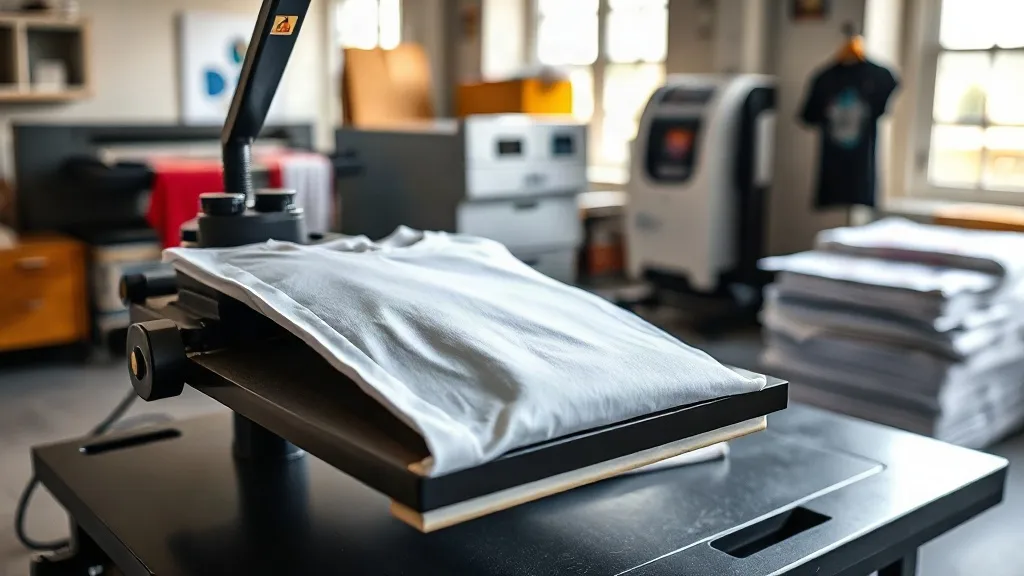
- Transfer: The film is placed on the fabric and pressed with a heat press to transfer the design.
Why Choose DTF Transfers for Custom Apparel?
DTF transfers offer several compelling advantages over other printing methods. Here are some key benefits that make them a favorite among apparel creators.
Versatility Across Fabric Types
One of the biggest advantages of dtf transfers is their ability to adhere to a wide range of fabrics, including cotton, polyester, blends, and even nylon. This versatility means you can print on virtually any garment without worrying about compatibility issues. Whether you're working with lightweight t-shirts or heavy-duty canvas, DTF transfers deliver consistent results.
Vibrant and Durable Prints
DTF transfers produce high-resolution, full-color designs with excellent detail. The prints are known for their vibrancy and resistance to fading, cracking, and peeling, even after multiple washes. This durability makes them ideal for items that will see frequent use, such as sports jerseys, workwear, and promotional apparel.
Cost-Effective for Short Runs
Unlike screen printing, which requires separate screens for each color and becomes cost-effective only at higher quantities, DTF transfers are economical for short runs. There's no minimum order quantity, and you can print one-off designs without incurring high setup costs. This makes DTF an excellent choice for small businesses, personalized gifts, and sample production.
No Pre-Treatment Required
Many direct-to-garment (DTG) printing methods require pre-treatment of the fabric to ensure ink adhesion. DTF eliminates this step, saving time and reducing complexity. Simply press the transfer onto the garment and you're done.
DTF vs. Other Printing Methods
To better understand where DTF shines, let's compare it to other common apparel printing techniques.
DTF vs. Screen Printing
Screen printing is renowned for its bold colors and longevity, but it comes with limitations: it's not cost-effective for small batches, and it struggles with complex gradients. DTF, on the other hand, excels at detailed, multi-color designs and short runs, making it more accessible for custom projects.
DTF vs. DTG
Direct-to-Garment (DTG) printing is ideal for 100% cotton fabrics and produces soft, breathable prints. However, DTG requires pre-treatment and can be less durable on synthetic fabrics. DTF offers broader fabric compatibility and often more vibrant results on dark colors.
DTF vs. Vinyl
Heat transfer vinyl (HTV) is great for simple designs and one-color text, but it can be time-consuming to weed and layer for complex graphics. DTF handles intricate details and full-color images with ease, without the tedious weeding process.
Applications of DTF Transfers
The versatility of DTF transfers opens up a world of possibilities for custom apparel. Here are just a few ways you can use them:
- Custom T-shirts: Create vibrant, full-color designs for personal use or retail.
- Sports Team Uniforms: Add player names and numbers with durability that withstands intense activity.
- Corporate Merchandise: Branded apparel for events, giveaways, and employee uniforms.
- Promotional Items: Tote bags, hats, and more with eye-catching logos.
- Personalized Gifts: Unique, one-of-a-kind presents for birthdays, holidays, and special occasions.
Tips for Successful DTF Transfers
To get the best results from your DTF transfers, keep these practical tips in mind.
Choose the Right Film and Powder
Not all DTF films and powders are created equal. Invest in high-quality supplies from reputable suppliers to ensure consistent adhesion and vibrant colors. Cheap films can lead to transfer failures or poor durability.
Master Heat Press Settings
Temperature, pressure, and time are critical for a successful transfer. Typically, you'll press at 300-325°F (150-160°C) for 10-15 seconds with medium pressure. Always follow the recommendations of your film and powder manufacturer, and test on a scrap fabric first.
Proper Storage and Handling
Store unused DTF transfers in a cool, dry place away from direct sunlight. Handle them by the edges to avoid contaminating the adhesive with oils from your skin. When applying, ensure the garment is free of wrinkles and lint.
Care Instructions for DTF-Printed Apparel
To prolong the life of your DTF prints, wash garments inside out in cold water and avoid using bleach or fabric softeners. Tumble dry on low or hang dry. Iron on the reverse side if needed, but never directly on the print.
Common Questions About DTF Transfers
Can DTF transfers be applied to any fabric?
DTF transfers work on a wide range of fabrics, including cotton, polyester, blends, nylon, and even leather. However, fabrics with special coatings or finishes may require testing to ensure proper adhesion.
How durable are DTF prints?
When applied correctly, DTF prints are highly durable and can withstand 50+ washes without significant fading or cracking. Proper care, such as washing inside out in cold water, will extend their life further.
Do I need a special printer for DTF?
Yes, DTF printing requires a specialized DTF printer that uses pigment inks and a film feeding system. However, if you don't want to invest in a printer, you can purchase pre-printed DTF transfers from suppliers and apply them with a heat press.
What is the difference between DTF and DTG?
DTF (Direct-to-Film) involves printing on a film and transferring to fabric, while DTG (Direct-to-Garment) prints directly onto the garment. DTF offers broader fabric compatibility and no pre-treatment, while DTG is typically limited to cotton and requires pre-treatment.
Can I use DTF transfers for small details and text?
Absolutely. DTF transfers excel at reproducing fine details, small text, and complex gradients with precision. This makes them ideal for intricate logos and designs that other methods might struggle with.
Whether you're a DIY enthusiast or a professional decorator, DTF transfers provide a flexible, cost-effective, and high-quality solution for custom apparel. By understanding the process and following best practices, you can unlock endless creative possibilities and deliver stunning results that your customers will love.