If you run a clothing brand, print shop, or merch operation, you already know that the blank you choose can make or break your final product. The term smart blanks refers to wholesale apparel that hits the sweet spot between cost, quality, and printability. These aren't just any cheap tees; they're garments selected with decoration in mind, whether you're screen printing, embroidering, or applying DTF transfers. In this guide, we'll explore how to identify smart blanks, why brands like Shaka Wear have become staples in the industry, and how to get the most out of your blank inventory.
What Exactly Are Smart Blanks?
The phrase might be new to some, but the concept is rooted in decades of garment decoration experience. A smart blank is a wholesale item that offers consistent sizing, reliable fabric weight, and a surface that takes ink, embroidery, or transfers well. It's not about the cheapest option; it's about the best value for your specific decoration method and end customer.
For example, a lightweight 4.2 oz tee might be perfect for a summer event where breathability matters, while a heavyweight 6.0 oz tee is better for a retail brand that wants a substantial feel. Smart blanks also consider details like double-needle stitching, shoulder-to-shoulder taping, and pre-shrunk cotton. These features reduce returns and keep customers happy.
Why Smart Blanks Matter for Your Bottom Line
Choosing the wrong blank can lead to frustrated customers, wasted materials, and a damaged reputation. If a shirt shrinks after the first wash or the print cracks, you'll spend more on replacements than you saved on the initial order. Smart blanks minimize these risks.
Moreover, when you standardize on a few reliable smart blanks, you streamline inventory management. You can predict how your prints will look, how the garment fits, and how it holds up over time. This consistency builds trust with your clients and allows you to scale without constant quality checks.
Key Factors to Evaluate in a Smart Blank
Not all wholesale blanks are created equal. Here are the criteria we use when vetting a new supplier or style:
- Fabric weight and composition: 100% cotton, cotton/poly blends, and tri-blends each have unique characteristics. Consider the intended use: retail, promotional, or athletic.
- Stitch quality: Look for tight, even stitching and reinforced seams. This is especially important for embroidery, where poor stitching can cause puckering.
- Shrinkage: Pre-shrunk blanks save you from nasty surprises. If not pre-shrunk, account for shrinkage in your sizing.
- Color consistency: Dye lots can vary. A smart blank supplier maintains tight color standards across batches.
- Price vs. value: The cheapest option isn't always the smartest. Calculate cost per wear and decoration success rate.
Spotlight on Shaka Wear: A Smart Blank Favorite
Among the many wholesale brands, Shaka Wear has carved a niche for itself, particularly in streetwear and urban fashion. Known for their heavyweight cotton tees, hoodies, and fleece, Shaka Wear garments are often praised for their durability and substantial hand feel. They hold up well to DTF transfers and embroidery, making them a go-to for brands that want a premium look without the premium price tag.
One of the reasons Shaka Wear qualifies as a smart blank is their consistent sizing. When you're fulfilling large orders, having a reliable fit across colors and styles is crucial. Their fabric also takes screen printing and DTF transfers beautifully, with minimal dye migration issues on dark colors.
DTF Transfers: The Perfect Match for Smart Blanks
Direct-to-film (DTF transfers) have revolutionized small-batch and custom apparel. Unlike vinyl or screen printing, DTF transfers allow for full-color, photographic designs without setup costs. When paired with smart blanks, they offer incredible versatility.
However, not all blanks are ideal for DTF. The fabric must be able to withstand the heat press without scorching, and the weave should allow the adhesive to bond properly. Smart blanks, like those from Shaka Wear, are often tested and recommended for DTF because they meet these requirements. The result is a soft, stretchable print that won't crack or peel after repeated washes.
How to Choose the Right Blank for DTF Transfers
When selecting a blank for DTF, consider the following:
- Fabric type: 100% cotton and cotton/poly blends work best. Avoid highly treated or water-repellent fabrics.
- Color: Light colors require less ink and may feel softer. Dark colors may need a white underbase, which can add slight thickness.
- Heat tolerance: Check the manufacturer's recommended pressing temperature. Most DTF transfers require 300-325°F for 10-15 seconds.
- Texture: Smooth fabrics yield smoother prints. Rough textures can cause the transfer to lift.
Building a Smart Blank Inventory Strategy
Once you've identified your smart blanks, it's time to build an inventory strategy that balances cost and flexibility. Here are some tips:
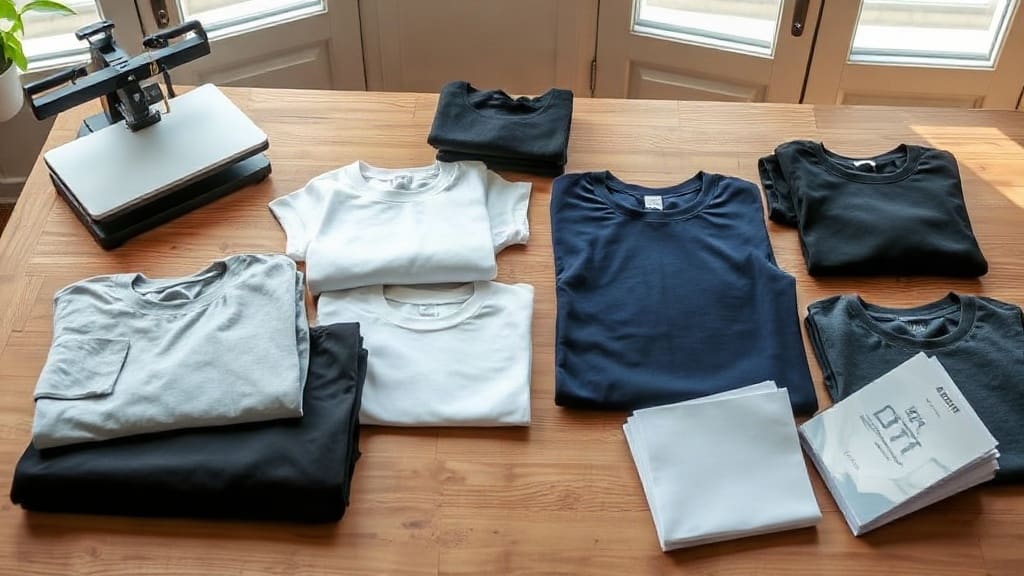
- Start with a core set: Choose 3-5 styles in the most popular colors (black, white, navy, heather grey).
- Test before you invest: Order samples of any new blank and run them through your decoration process.
- Negotiate volume discounts: Many suppliers offer tiered pricing. If you have storage space, buying in bulk can reduce per-unit cost.
- Track shrinkage and feedback: Keep notes on how each blank performs after washing and customer feedback.
Common Mistakes to Avoid with Smart Blanks
Even experienced buyers can fall into traps. Here are pitfalls to watch for:
- Assuming all blanks are created equal: A cheap blank may cost you more in the long run due to returns and reprints.
- Ignoring fabric content: Polyester behaves differently than cotton. Make sure your decoration method is compatible.
- Overlooking colorfastness: Some dyes bleed. Always test washing before fulfilling large orders.
- Not considering the end user: A blank that feels great to you might not suit your target demographic.
Frequently Asked Questions About Smart Blanks
What makes a blank "smart"?
A smart blank is one that offers a balance of quality, consistency, and printability at a reasonable price. It's not just about cost; it's about how well the garment performs during decoration and after wear.
Are Shaka Wear blanks good for DTF transfers?
Yes, Shaka Wear blanks are generally excellent for DTF transfers. Their heavyweight cotton and cotton/poly blends provide a smooth surface and withstand the heat press well, resulting in durable, vibrant prints.
How do I test if a blank is compatible with DTF transfers?
Always do a test press on a sample garment. Follow the transfer supplier's instructions for temperature, pressure, and time. After pressing, stretch the print and wash the garment to check for cracking or peeling.
Can I use smart blanks for embroidery?
Absolutely. Many smart blanks are designed with embroidery in mind. Look for tightly woven fabrics and stable seams to avoid puckering. Shaka Wear hoodies and tees are popular choices for embroidery.
Where can I buy smart blanks in bulk?
Many wholesale distributors carry smart blank brands like Shaka Wear. Compare prices, check minimum order quantities, and read reviews. Building a relationship with a reliable supplier can lead to better pricing and service.