
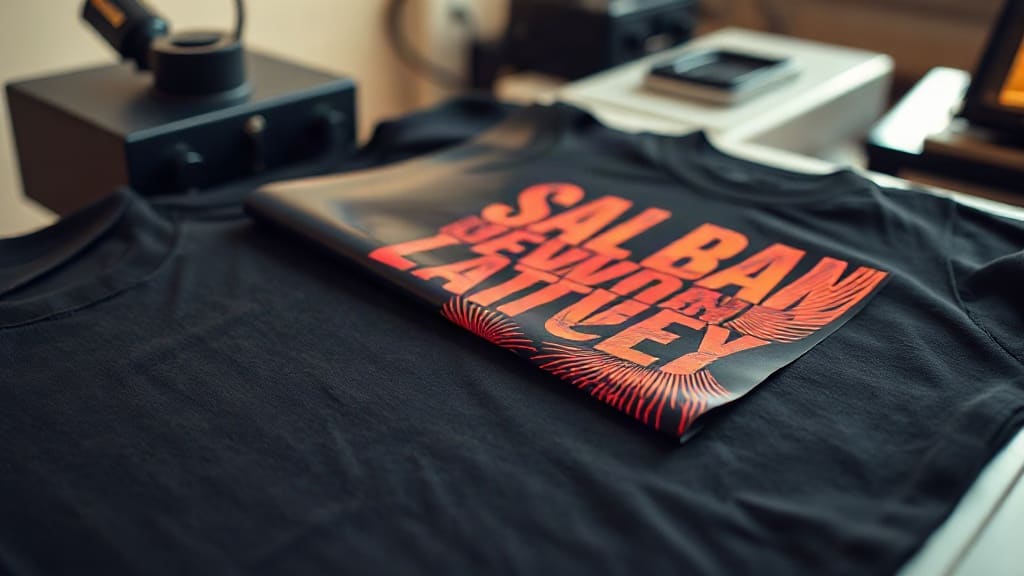
If you've ever admired a custom t-shirt with a vibrant, detailed design that seems to pop off the fabric, chances are it was created using DTF transfers. This printing method has taken the custom apparel world by storm, offering unparalleled color vibrancy and durability. Unlike traditional methods that require specific fabrics or complex setups, DTF transfers open up a world of possibilities for creators and businesses alike. In this guide, we'll walk you through everything you need to know about DTF transfers, from the basics to pro tips for flawless results.
What Are DTF Transfers?
DTF stands for Direct to Film. It's a printing technology where your design is printed onto a special PET film using water-based inks, then coated with a hot-melt adhesive powder. Once the powder is cured, the transfer is ready to be applied to fabric using a heat press. The magic happens when heat and pressure bond the design permanently to the material. Unlike DTG (Direct to Garment) printing, which prints directly onto the fabric, DTF transfers allow you to print on a wide range of materials, including cotton, polyester, blends, and even treated leather and denim. The results are bright, detailed, and stretchable, making them ideal for everything from intricate logos to full-color photographs.
Why Choose DTF Transfers Over Other Methods?
You might be wondering why DTF has become so popular. Here are some compelling reasons:
- Versatility: Works on almost any fabric, including dark and light colors, without the need for pre-treatment.
- Vibrancy: Produces incredibly bright and opaque colors, even on dark backgrounds.
- Durability: When applied correctly, DTF prints withstand repeated washing without fading, cracking, or peeling.
- Detail: Captures fine lines, gradients, and photographic details with precision.
- Cost-effective: No need for weeding or masking, reducing labor and waste.
- Stretchability: The prints stretch with the fabric, making them perfect for athletic wear.
These advantages make DTF transfers a go-to choice for small businesses, crafters, and large-scale producers alike.
How to Apply DTF Transfers: Step-by-Step
Applying DTF transfers is straightforward, but following the correct steps ensures a professional, long-lasting result. Here's what you need to do:
1. Prepare Your Workspace and Materials
Gather your heat press, DTF transfer, garment, and a protective sheet (like parchment paper or Teflon sheet). Ensure your heat press is preheated to the recommended temperature, typically around 325°F (160°C).
2. Pre-Press the Garment
Pre-press the garment for a few seconds to remove moisture and wrinkles. This step is crucial for a smooth application.
3. Position the Transfer
Place the DTF transfer onto the garment with the printed side facing up. If your transfer has a white backing, that's the side that goes against the fabric. Use heat-resistant tape if needed to hold it in place.
4. Apply Heat and Pressure
Cover the transfer with your protective sheet. Press with medium to heavy pressure for 10-15 seconds. The exact time may vary depending on your press and transfer type, so always check the instructions provided by your supplier.
5. Peel the Film
After pressing, allow the transfer to cool completely before peeling off the film. This is known as a cold peel. Peel slowly and evenly. If any part of the design lifts, re-press for a few seconds.
6. Post-Press for Durability
For added durability, cover the design with the protective sheet again and press for another 5-10 seconds. This ensures the adhesive fully bonds with the fabric.
Common Mistakes to Avoid with DTF Transfers
Even though DTF is forgiving, avoiding these common pitfalls will save you time and materials:
- Insufficient pressure: Without enough pressure, the transfer won't adhere properly, leading to peeling.
- Wrong temperature: Too low, and the adhesive won't activate; too high, and you might scorch the fabric or the film.
- Peeling too soon: Always wait for the transfer to cool before peeling. Hot peeling can distort the design.
- Not pre-pressing: Moisture in the fabric can cause steam pockets and poor adhesion.
- Using the wrong side: Always place the transfer with the printed side up. The adhesive side goes against the fabric.
By steering clear of these mistakes, you'll achieve consistent, professional results every time.
DTF Transfers vs. Other Printing Methods
How does DTF stack up against other popular printing techniques? Let's compare:
- DTF vs. DTG: DTG requires pre-treatment and works best on 100% cotton. DTF works on more fabrics and often produces more vibrant colors on dark garments.
- DTF vs. Vinyl: Vinyl is limited to single colors and simple shapes. DTF handles full-color, complex designs with ease.
- DTF vs. Screen Printing: Screen printing is cost-effective for large orders but requires setup per color. DTF is ideal for small batches and detailed designs without setup costs.
- DTF vs. Sublimation: Sublimation only works on light-colored polyester. DTF works on cotton, blends, and dark colors.
Each method has its place, but DTF's versatility and quality make it a strong contender for a wide range of projects.
Tips for Long-Lasting DTF Prints
To ensure your DTF transfers stand the test of time, follow these care tips:
- Wait at least 24 hours before washing the garment.
- Turn the garment inside out before washing.
- Use cold water and mild detergent.
- Avoid bleach and fabric softeners.
- Tumble dry on low or hang dry.
- Iron inside out, never directly on the print.
With proper care, your DTF prints can last as long as the garment itself.
Frequently Asked Questions About DTF Transfers
Can I use DTF transfers on 100% polyester?
Yes, DTF transfers work beautifully on polyester. In fact, they adhere well to polyester and polyester blends, often with better results than DTG. Just ensure you adjust your heat press settings to avoid scorching.
How do I store unused DTF transfers?
Store them in a cool, dry place away from direct sunlight. Keep them in a sealed bag or container to prevent dust and moisture from affecting the adhesive. Properly stored, they can last for several months.
What is the best heat press temperature for DTF transfers?
Most DTF transfers require a temperature of 325°F (160°C) with medium to heavy pressure for 10-15 seconds. However, always check the instructions from your transfer supplier, as formulations can vary.
Do I need a special printer for DTF transfers?
Yes, DTF printing requires a dedicated DTF printer that uses DTF inks and a shaker machine for applying adhesive powder. Alternatively, you can buy pre-made DTF transfers from a supplier and apply them with a standard heat press.
Are DTF transfers safe for children's clothing?
Absolutely. DTF transfers are safe for all ages when applied correctly. The inks are water-based and non-toxic. Just ensure the transfer is fully adhered and cured to prevent any peeling that could pose a choking hazard.
Final Thoughts
DTF transfers have revolutionized the custom apparel industry with their versatility, vibrant colors, and durability. Whether you're a hobbyist or a business owner, mastering this technique can elevate your creations. Remember to follow the application steps carefully, avoid common mistakes, and care for your prints properly. With practice, you'll be producing professional-quality garments that impress your customers and keep them coming back for more. So why wait? Dive into the world of DTF transfers and unleash your creativity today.