
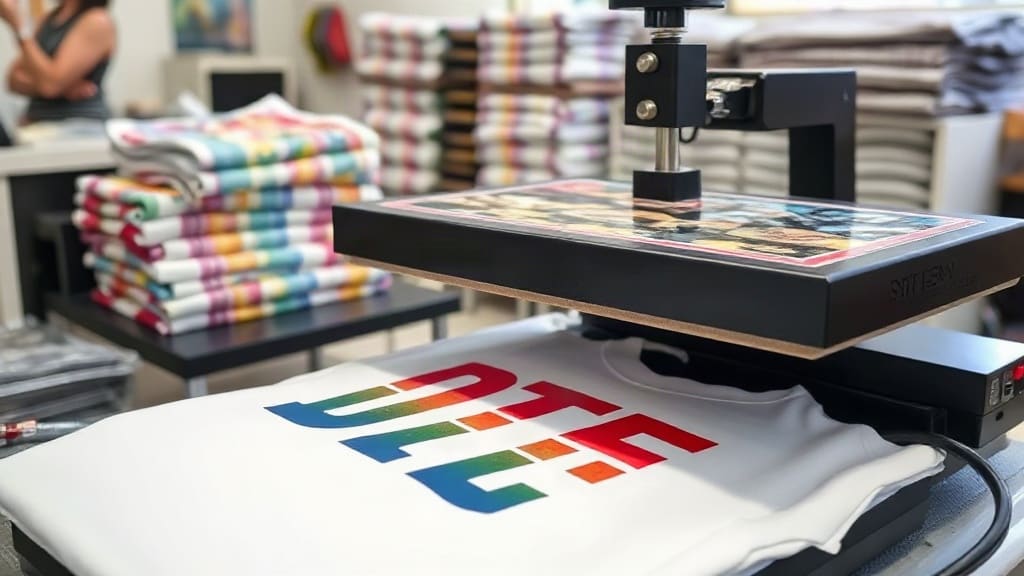
When it comes to creating custom apparel that stands out, DTF transfers have become a game-changer for businesses and hobbyists alike. Unlike traditional methods that require multiple steps and specialized equipment, DTF transfers offer a streamlined way to produce vibrant, full-color designs on a wide range of fabrics. Whether you're running a small print shop or just want to personalize your own t-shirts, understanding DTF transfers can open up a world of possibilities.
What Are DTF Transfers?
DTF stands for Direct to Film. It's a printing technology where your design is printed onto a special film, coated with a heat-activated adhesive powder, and then transferred onto fabric using a heat press. The result is a soft, durable print that can stretch with the fabric without cracking. DTF transfers are known for their ability to produce fine details and gradients, making them ideal for complex artwork.
Why Choose DTF Transfers Over Other Methods?
If you've tried screen printing or vinyl cutting, you know they have limitations. Screen printing is cost-effective for large orders but requires separate screens for each color, making small batches expensive. Vinyl cutting is great for simple designs but struggles with intricate details. DTF transfers bridge the gap: they handle full-color designs with ease, require no minimum order, and work on almost any fabric, including cotton, polyester, and blends.
Key Benefits of DTF Transfers
- Vibrant colors: DTF transfers can reproduce millions of colors, so your designs look exactly as intended.
- No weeding or masking: Unlike vinyl, there's no tedious weeding process. Just print, powder, and press.
- Durability: When applied correctly, DTF prints withstand repeated washing without fading or peeling.
- Versatility: Works on light and dark fabrics, as well as unusual materials like canvas and denim.
- Cost-effective for short runs: No setup fees or minimums, making it perfect for one-off items or small batches.
How to Apply DTF Transfers: Step-by-Step
Applying DTF transfers is straightforward, but attention to detail ensures a professional finish. Here's a step-by-step guide:
- Prepare your heat press: Set the temperature to around 325°F (160°C) and preheat for a few minutes.
- Pre-press the garment: This removes moisture and wrinkles, creating a smooth surface for the transfer.
- Position the transfer: Place the DTF transfer film on the garment with the printed side facing up.
- Press: Apply medium pressure for 10-15 seconds. If you're using a home iron, press firmly for 30 seconds.
- Peel: Wait for the transfer to cool completely (cold peel) before slowly removing the film. Some films are hot peel, so check your supplier's instructions.
- Post-press (optional): For extra durability, cover with parchment paper and press again for 5 seconds.
Common Mistakes to Avoid
Even with a simple process, errors can happen. Avoid these pitfalls:
- Pressing at the wrong temperature: Too hot and the film may scorch; too cold and the adhesive won't activate.
- Not pre-pressing: Moisture in the fabric can cause the transfer to peel.
- Peeling too soon: If you peel while hot, the design may stretch or leave residue.
- Using too much pressure: This can cause the ink to spread and lose detail.
Choosing the Right DTF Supplies
Not all DTF transfers are created equal. The quality of your film, ink, and powder significantly affects the final result. Look for films with a consistent coating and inks that are vibrant and wash-resistant. The adhesive powder should be fine and evenly applied. It's also wise to test different suppliers to find the combination that works best for your fabrics and designs.
Ink and Film Compatibility
DTF printers use special pigment inks that are formulated to work with the film and powder. Using generic inks can lead to clogs or poor adhesion. Always use inks recommended for DTF printing. Similarly, the film must be compatible with your printer; some films are designed for specific printhead technologies.
DTF Transfers vs. Other Printing Methods
How do DTF transfers stack up against heat transfer vinyl (HTV) and screen printing? Here's a quick comparison:
- HTV: Great for simple designs and one-color text, but layering multiple colors is time-consuming and can make the design stiff. DTF handles complex designs in one press.
- Screen printing: Best for large orders with few colors. Setup costs are high, and each color requires a separate screen. DTF is more flexible for small batches and full-color images.
- Dye sublimation: Only works on polyester and requires special coatings. DTF works on cotton and blends, and the colors are opaque.
Tips for Long-Lasting DTF Prints
To ensure your DTF transfers survive wash after wash, follow these care instructions:
- Wash inside out in cold water.
- Avoid bleach and fabric softeners.
- Tumble dry on low or hang to dry.
- Iron on the reverse side, never directly on the print.
Also, proper storage of unused transfers is key. Keep them in a cool, dry place away from direct sunlight to prevent the adhesive from degrading.
Frequently Asked Questions About DTF Transfers
Can I use DTF transfers on any fabric?
DTF transfers work best on cotton, polyester, and blends. They can also be applied to canvas, denim, and even leather, but adhesion may vary. Always test on a scrap piece first.
How long do DTF transfers last?
With proper application and care, DTF prints can last as long as the garment itself. They resist cracking and fading, but following wash instructions is crucial.
Do I need a special printer for DTF transfers?
Yes, DTF printing requires a printer that uses DTF pigment inks and a film that can withstand the printing process. However, you can also buy pre-printed transfers from suppliers and apply them with a heat press.
What's the difference between DTF and DTG?
DTG (Direct to Garment) prints directly onto the fabric, while DTF prints onto a film that is then transferred. DTF often produces more vibrant colors on dark fabrics and works on more materials.
Can I stretch DTF prints?
Yes, DTF transfers are flexible and can stretch with the fabric without cracking, thanks to the elastic adhesive. This makes them ideal for athletic wear.
DTF transfers are revolutionizing the custom apparel industry with their versatility, vibrant results, and ease of use. Whether you're a small business owner or a DIY enthusiast, mastering DTF transfers can elevate your creations. With the right supplies and techniques, you'll be producing professional-quality garments in no time.