
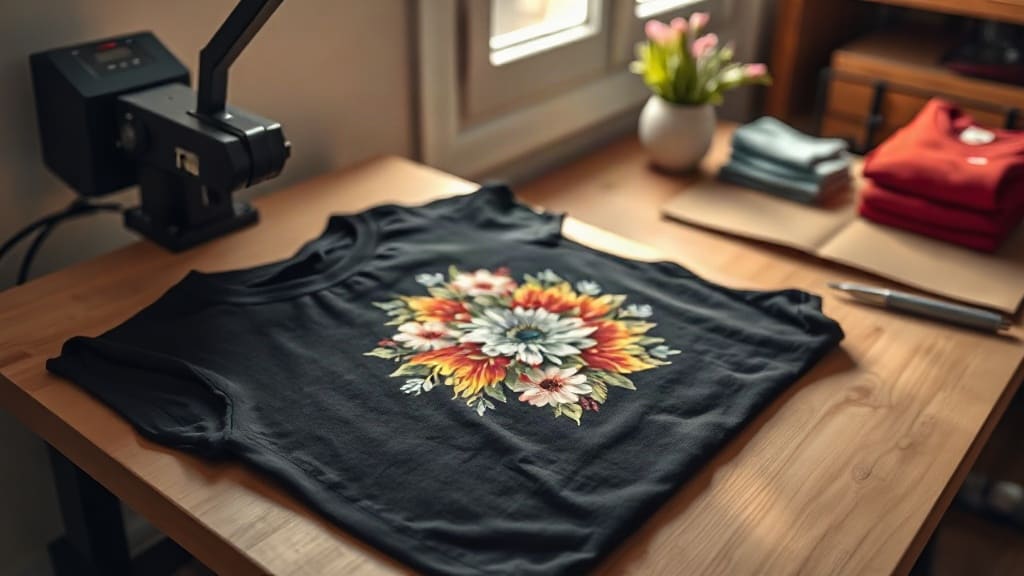
When it comes to creating custom apparel that stands out, the method you choose for applying designs can make or break the final product. Among the many options available, DTF transfers have emerged as a game-changer for both professionals and DIY enthusiasts. Unlike traditional techniques that limit you to certain fabrics or require complex setups, DTF transfers offer unmatched versatility, vibrant colors, and exceptional durability. In this guide, we'll dive deep into what DTF transfers are, how they work, and why they might be the perfect solution for your next project.
What Are DTF Transfers?
DTF stands for Direct to Film. It's a printing technology where your design is printed onto a special film, coated with a heat-activated adhesive powder, and then transferred onto fabric using a heat press. The result is a soft, stretchable, and long-lasting print that adheres to a wide range of materials, including cotton, polyester, blends, and even leather. Unlike DTG (Direct to Garment) printing, which requires pre-treatment and works best on 100% cotton, DTF transfers are incredibly forgiving and produce consistent results across different fabric types.
How DTF Transfers Work: Step by Step
Understanding the DTF process helps you appreciate its simplicity and effectiveness. Here's a breakdown of the key steps:
- Design Preparation: Your artwork is prepared digitally, ensuring it's mirrored and sized appropriately.
- Printing: A specialized DTF printer uses CMYK and white inks to print the design onto a PET film. The white ink acts as a base, allowing the colors to pop on dark fabrics.
- Powdering: While the ink is still wet, a thermoplastic powder is applied evenly over the design. Excess powder is shaken off.
- Curing: The film passes through a curing oven or heat press to melt the powder, creating a adhesive layer.
- Transfer: The film is placed onto the fabric and pressed with a heat press at specific temperature and pressure. After cooling, the film is peeled away, leaving the design bonded to the fabric.
This process can be done in-house with the right equipment, or you can order ready-to-press DTF transfers from suppliers. Many businesses opt for the latter to avoid the initial investment and maintenance of printers and powders.
Why Choose DTF Transfers Over Other Methods?
DTF transfers have quickly gained popularity for several compelling reasons. Let's compare them to other common decoration methods.
Versatility Across Fabrics
One of the biggest advantages of DTF transfers is their ability to adhere to almost any fabric. Whether you're working with cotton, polyester, nylon, leather, or even denim, DTF transfers deliver excellent results. This is a significant improvement over heat transfer vinyl (HTV), which requires different types for different materials, and DTG, which struggles with synthetic fibers.
Vibrant Colors and Fine Details
DTF transfers can reproduce intricate designs with fine lines, gradients, and photographic details. The white ink base ensures that colors remain vibrant even on dark garments, unlike DTG where colors can appear muted without a white underbase. The result is a high-definition print that captures every nuance of your artwork.
Durability and Washability
When applied correctly, DTF transfers are incredibly durable. They withstand repeated washing without cracking, peeling, or fading. The stretchability of the transfer also means it moves with the fabric, reducing the risk of damage over time. In contrast, vinyl transfers can crack if stretched, and screen prints may fade after many washes.
Cost-Effectiveness for Small to Medium Runs
For small to medium-sized orders, DTF transfers are more cost-effective than screen printing, which requires separate screens for each color. There's no minimum order quantity with DTF, making it ideal for custom one-offs or small batches. You also save on setup costs and can easily personalize each item.
Eco-Friendly Options
Many DTF supplies now offer eco-friendly inks and powders, reducing the environmental impact. Water-based inks and biodegradable films are becoming more available, appealing to businesses and consumers who prioritize sustainability.
Applications of DTF Transfers
DTF transfers are used in a wide range of applications, from personal DIY projects to commercial production. Here are some popular uses:
- Custom T-shirts: Create unique designs for events, teams, or personal style.
- Sportswear: Add numbers, names, and logos to jerseys and activewear.
- Corporate Apparel: Brand uniforms, caps, and bags with company logos.
- Fashion and Streetwear: Produce limited-edition designs with intricate details.
- Promotional Items: Personalize tote bags, aprons, and more for marketing.
How to Apply DTF Transfers: Best Practices
To get the best results from your DTF transfers, follow these expert tips.
Choose the Right Equipment
A quality heat press is essential. You'll need one that can maintain consistent temperature and pressure. For DTF, typical settings are 325°F (160°C) for 15 seconds with medium pressure. Always check the supplier's recommendations, as different films and powders may require slight adjustments.
Prepare the Fabric
Ensure the fabric is clean, dry, and free of wrinkles. Pre-press the garment for a few seconds to remove moisture and create a smooth surface. This step improves adhesion and prevents the transfer from shifting.
Position and Press
Place the DTF transfer on the fabric with the printed side facing up. Cover with a protective sheet or parchment paper to prevent sticking. Press firmly, then allow the transfer to cool completely before peeling. For a matte finish, peel while hot; for a glossy finish, peel after cooling. Always test on a scrap piece first.
Post-Pressing for Durability
After peeling, some experts recommend a second press for a few seconds to further embed the design. This can enhance washability. However, follow the specific instructions from your transfer supplier.
Common Challenges and Solutions
While DTF transfers are user-friendly, you might encounter some issues. Here's how to troubleshoot.
Adhesion Problems
If the transfer doesn't stick, it could be due to insufficient pressure, incorrect temperature, or moisture in the fabric. Increase pressure, verify temperature with an infrared thermometer, and pre-press longer to remove moisture.
Color Fading or Cracking
Over time, if the transfer was under-cured or washed improperly, you might see fading or cracking. Ensure proper curing during production and advise customers to wash garments inside out in cold water and avoid harsh detergents.
Film Residue
Sometimes a sticky residue remains after peeling. This usually means the transfer was peeled too soon or the powder wasn't fully melted. Try peeling after cooling or increase curing time.
DTF vs. Other Printing Methods: A Quick Comparison
To help you decide, here's a side-by-side look at DTF, DTG, screen printing, and HTV.
- DTF: Works on all fabrics, no minimums, vibrant colors, durable, moderate cost per print for small runs.
- DTG: Best on 100% cotton, requires pre-treatment, softer feel, limited color vibrancy on dark shirts, higher cost per print.
- Screen Printing: Cost-effective for large runs, limited colors, not ideal for complex designs, requires setup.
- HTV: Good for simple designs, limited to certain fabrics, can crack, labor-intensive for multi-color designs.
Future Trends in DTF Printing
The DTF industry is rapidly evolving. We're seeing advancements in ink formulations for even softer prints, faster curing times, and more sustainable materials. Automated powder shakers and inline curing systems are making production more efficient. As the technology becomes more accessible, expect to see DTF transfers in more creative applications, from footwear to accessories.
Frequently Asked Questions About DTF Transfers
Can I use DTF transfers on 100% polyester?
Yes, DTF transfers work excellently on polyester. The low application temperature (around 325°F) prevents the fabric from scorching or melting, and the transfer stretches with the fabric without cracking.
How long do DTF transfers last?
With proper application and care, DTF transfers can last as long as the garment itself. They withstand dozens of washes without significant fading or peeling. Always follow washing instructions: cold water, inside out, no bleach.
Do I need a special printer for DTF?
You can either purchase a dedicated DTF printer or buy pre-printed transfers from a supplier. For occasional use, ordering transfers is more cost-effective. For high-volume production, investing in a printer and powder shaker may be worthwhile.
What is the difference between DTF and DTG?
DTF involves printing on a film and transferring, while DTG prints directly onto the garment. DTF works on more fabric types and doesn't require pre-treatment, but DTG can produce a softer feel on 100% cotton. DTF is generally more versatile.
Can I stretch DTF transfers?
Yes, DTF transfers are stretchable and flexible. They move with the fabric, making them ideal for athletic wear and garments that require elasticity. However, excessive stretching may cause minor cracking over time.
Whether you're a small business owner, a DIY enthusiast, or a professional decorator, DTF transfers offer a reliable and versatile solution for custom apparel. With their ability to produce vibrant, durable designs on almost any fabric, they are set to remain a staple in the industry. Explore the possibilities and elevate your creations with DTF transfers today.