
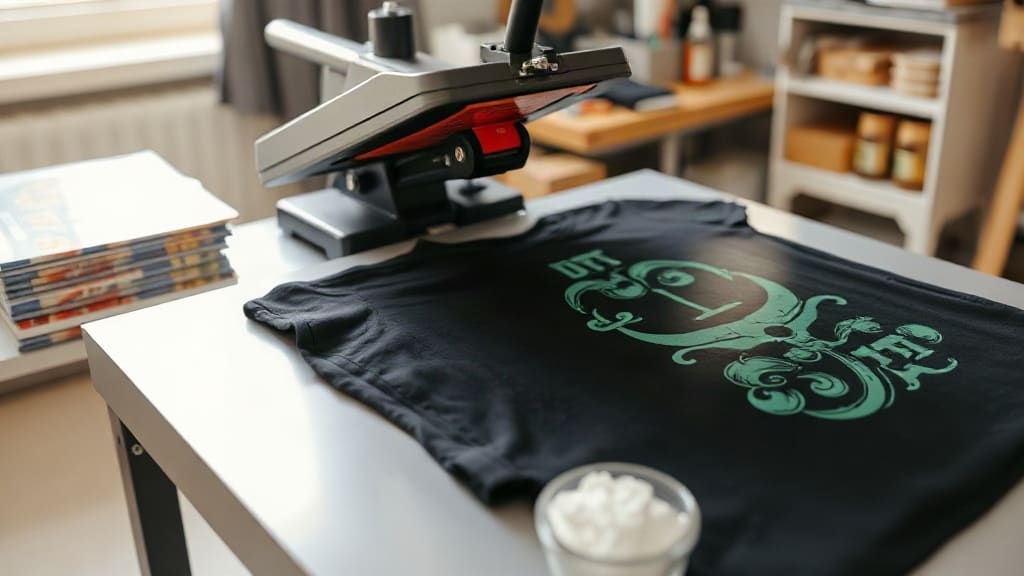
When it comes to custom apparel, DTF transfers have quickly become a favorite among professionals and DIY enthusiasts alike. Unlike traditional methods that require weeding or specialized equipment, DTF transfers offer a streamlined process that delivers vibrant, durable results on a wide range of fabrics. Whether you're running a small business or creating one-of-a-kind pieces for yourself, understanding DTF transfers can open up a world of creative possibilities.
What Are DTF Transfers?
DTF stands for Direct-to-Film. It's a printing technology where your design is printed onto a special PET film using water-based inks, then coated with a hot-melt adhesive powder. Once the powder is cured, the transfer is ready to be applied to fabric using a heat press. The result is a soft, stretchable print that bonds permanently to the material.
What sets DTF apart from other methods like DTG or vinyl is its versatility. You can print on cotton, polyester, blends, and even treated nylon. There's no need to pre-treat the fabric, and the colors remain vivid even on dark garments. This makes DTF transfers an excellent choice for complex, multi-color designs that would be tedious to layer with vinyl.
How DTF Transfers Are Made
Creating a DTF transfer involves several precise steps. First, your artwork is printed onto a PET film using a DTF printer. The printer lays down a white ink base (if needed) followed by CMYK colors, ensuring opacity and brightness. After printing, the film is dusted with a thermoplastic powder, which adheres to the wet ink. Excess powder is shaken off, and the film is then cured in an oven or with a heat gun until the powder melts and forms a smooth, adhesive layer.
The cured film can be stored for later use or immediately applied. This process allows for high detail and gradients that are difficult to achieve with other transfer methods. Plus, because the powder acts as the adhesive, there's no need for a separate adhesive sheet.
Materials Needed for DTF Printing
- DTF printer (or outsourced printing service)
- PET film
- DTF ink (CMYK + white)
- Hot-melt adhesive powder
- Curing oven or heat gun
- Heat press
Applying DTF Transfers: Step-by-Step
Applying a DTF transfer is straightforward, but attention to detail ensures a professional finish. Here's how to do it right:
- Preheat the heat press to 325°F (160°C).
- Position the garment on the press, ensuring it's smooth and free of wrinkles.
- Place the DTF transfer onto the fabric with the printed side facing up.
- Press for 10-15 seconds with medium pressure.
- Peel the film while it's still hot (hot peel) or let it cool completely (cold peel), depending on the film's instructions.
- Post-press for another 5-10 seconds with a cover sheet to enhance durability.
Each film may have specific temperature and time recommendations, so always test a sample first. Once applied, the transfer stretches with the fabric and withstands repeated washing without cracking or fading.
Tips for Perfect Application
- Use a heat press, not an iron, for consistent pressure and temperature.
- Pre-press the garment to remove moisture and wrinkles.
- Allow the transfer to cool slightly before peeling if you notice the design lifting.
- Wash the garment inside out in cold water and tumble dry low to extend the life of the print.
Durability and Washability
One of the most common questions about DTF transfers is how long they last. When applied correctly, a DTF print can outlast the garment itself. The inks are embedded in the adhesive layer, which bonds to the fabric fibers. This means the print won't crack, peel, or fade even after 50+ washes. However, improper washing can shorten its lifespan. Always avoid bleach, fabric softener, and high heat when drying.
In our experience, DTF transfers perform exceptionally well on athletic wear and children's clothing because they stretch without breaking. They also hold up on items that undergo frequent washing, like uniforms and workwear.
DTF vs. Other Transfer Methods
How does DTF stack up against DTG, vinyl, and sublimation? Here's a quick comparison:
- DTG: Best for 100% cotton, but requires pre-treatment and can be less vibrant on dark colors.
- Vinyl: Great for simple designs, but layering multiple colors is time-consuming and can feel heavy.
- Sublimation: Only works on polyester and requires white fabric; the print becomes part of the fabric but lacks white ink.
- DTF: Works on almost any fabric, no pre-treatment, vibrant colors on dark garments, and soft to the touch.
For those who want a versatile, cost-effective solution, DTF transfers often come out on top.
Common Challenges and How to Overcome Them
Even though DTF is user-friendly, beginners might face a few hurdles. Here are some common issues and fixes:
- Incomplete transfer: Ensure uniform pressure and correct temperature. Adjust if needed.
- Powder not sticking: The ink may be too dry. Work quickly after printing or increase humidity.
- Cracking after wash: This usually means under-cured powder or insufficient post-pressing. Increase curing time or pressure.
- Colors look dull: Use high-quality DTF ink and ensure proper color profiles.
Frequently Asked Questions About DTF Transfers
Can I use DTF transfers on 100% polyester?
Yes, DTF transfers work well on polyester, including blends. The low-temperature application prevents scorching, and the print remains flexible.
How do I store unused DTF transfers?
Keep them in a cool, dry place away from direct sunlight. Place them in a sealed bag to prevent dust and moisture. They can last for months if stored properly.
Do I need a special printer for DTF?
You can buy a dedicated DTF printer or outsource printing to a service. Many small businesses start by ordering transfers from a supplier and applying them in-house.
What's the difference between hot peel and cold peel DTF film?
Hot peel film is removed immediately after pressing while still hot, saving time. Cold peel requires the transfer to cool completely before peeling, which can yield a smoother finish. Always follow the film manufacturer's instructions.
How much pressure should I use for DTF application?
Medium pressure is typically sufficient. Too little pressure can cause poor adhesion, while too much can distort the design. Aim for 4-6 on a scale of 1-10 on most heat presses.
Final Thoughts
DTF transfers have revolutionized the custom apparel industry by combining ease of use with professional-quality results. Whether you're a hobbyist or a business owner, mastering DTF can expand your offerings and delight your customers. With the right techniques and a bit of practice, you'll be creating stunning, durable prints in no time.