
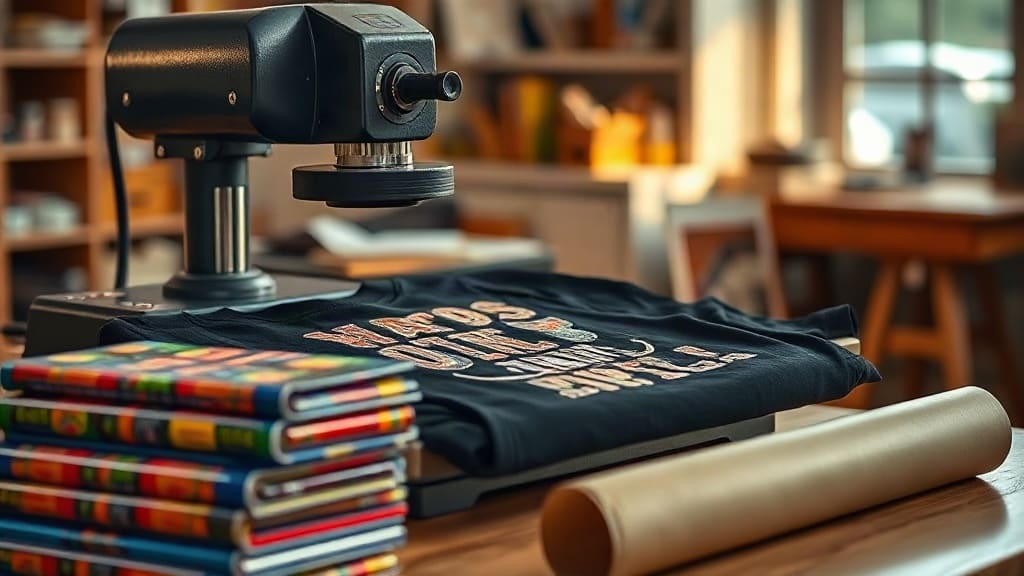
If you've been exploring custom apparel printing, you've likely encountered DTF transfers. Unlike traditional methods that require weeding or specialized equipment, DTF transfers offer a versatile and accessible way to bring intricate designs to life on various fabrics. Whether you're a small business owner, a crafting enthusiast, or just curious about the latest in garment decoration, understanding DTF transfers can open up a world of creative possibilities. In this guide, we'll walk you through the essentials: what DTF transfers are, why they're gaining popularity, and how to apply them like a pro.
What Are DTF Transfers?
DTF stands for Direct to Film. It's a printing process where your design is printed onto a special PET film using water-based pigments, then coated with a hot-melt adhesive powder. Once the powder is cured, the transfer is ready to be applied to fabric using a heat press. The magic happens when the adhesive melts, bonding the ink to the fabric while the film peels away, leaving a soft, vibrant print. Unlike DTG (Direct to Garment) or screen printing, DTF transfers can be used on a wide range of materials, including cotton, polyester, blends, and even leather. They're also excellent for detailed, multi-color designs because the printing process captures fine lines and gradients with impressive accuracy.
Why Choose DTF Transfers?
There are several compelling reasons why DTF transfers have become a go-to solution for many in the custom apparel industry. Let's break down the key benefits:
- Versatility: Works on almost any fabric, including dark and light colors, without the need for pre-treatment.
- Durability: When applied correctly, DTF prints resist cracking, peeling, and fading even after multiple washes.
- Detail and Color: Achieve photorealistic designs with vibrant colors and fine details that other methods might struggle to reproduce.
- Cost-Effective for Small Runs: No setup fees or minimums, making it ideal for one-off projects or small batches.
- Ease of Use: With a heat press and a few supplies, you can apply DTF transfers in your home studio.
How to Apply DTF Transfers: Step-by-Step
Applying DTF transfers is straightforward, but following the correct steps ensures a professional, long-lasting result. Here's what you need to know.
Gather Your Supplies
Before you start, make sure you have the following:
- DTF transfer (pre-printed and powdered)
- Heat press (or a home iron with no steam)
- Garment (pre-washed if cotton to minimize shrinkage)
- Heat-resistant tape or parchment paper
- Lint roller
Prepare Your Workspace and Garment
Set your heat press to the recommended temperature, typically around 300°F to 325°F (150°C to 160°C). Pre-press the garment for a few seconds to remove moisture and wrinkles. This step is crucial for a smooth application. Use a lint roller to remove any lint or debris from the fabric surface.
Position and Press
Place the DTF transfer on the garment with the printed side facing up. If your transfer has a clear film backing, the design should be visible. Secure it with heat-resistant tape if needed. Apply medium to heavy pressure for 10 to 15 seconds. The exact time may vary depending on your press and the transfer manufacturer's instructions, so always test first.
Peel and Finish
After pressing, allow the transfer to cool completely before peeling. This is known as a cold peel. Gently peel the film starting from one corner. If any part of the design lifts, press again for a few seconds. For added durability, you can cover the design with parchment paper and press for another 5 seconds.
Common DTF Transfer Problems and Solutions
Even with experience, issues can arise. Here are some common problems and how to fix them:
- Design peels off after washing: Insufficient pressure or incorrect temperature. Increase pressure and ensure even temperature across the platen.
- Adhesive residue on film: Too much powder or under-curing. Shake off excess powder and cure properly.
- Colors look dull: Over-pressing can cause ink to spread. Reduce temperature or time.
- Film doesn't peel cleanly: Let it cool longer; a hot peel may cause smearing.
DTF Transfers vs. Other Printing Methods
How do DTF transfers stack up against DTG, screen printing, and vinyl? Each method has its strengths, but DTF shines in flexibility and detail. For small businesses or hobbyists who want to offer a variety of designs without investing in multiple setups, DTF is a game-changer. It's also a fantastic option for printing on dark garments, where DTG often requires a white underbase. While screen printing is more cost-effective for large orders of the same design, DTF is unbeatable for one-offs and complex artwork.
Tips for Long-Lasting DTF Prints
To ensure your DTF transfers stand the test of time, follow these care instructions:
- Wash the garment inside out in cold water.
- Avoid fabric softeners and bleach.
- Tumble dry on low or hang dry.
- Do not iron directly on the print.
Frequently Asked Questions
Can I use DTF transfers on 100% polyester?
Yes, DTF transfers work well on polyester. However, polyester is heat-sensitive, so use a lower temperature (around 280°F to 300°F) and shorter pressing time to avoid scorching or dye migration. Always test on a scrap piece first.
How do I store unused DTF transfers?
Store them in a cool, dry place away from direct sunlight. Keep them flat or rolled, not folded, to prevent creasing. Properly stored transfers can last for several months.
What's the difference between hot peel and cold peel DTF transfers?
Hot peel transfers are designed to be peeled immediately after pressing while still hot. Cold peel transfers, which are more common, require the transfer to cool completely before peeling. Always follow the manufacturer's instructions for your specific transfer.
Do I need a commercial heat press for DTF transfers?
While a commercial heat press gives the most consistent results, you can use a home iron or a craft press. Just ensure you apply even pressure and maintain the correct temperature. For best results, invest in a heat press if you plan to do frequent transfers.
How can I prevent the DTF print from cracking?
Cracking usually happens due to insufficient pressure or stretching the garment after printing. Make sure to press with firm pressure and avoid over-stretching the fabric when wearing or washing. Also, follow proper care instructions.
With the right techniques and a bit of practice, DTF transfers can become a valuable addition to your custom apparel toolkit. They offer unmatched versatility and quality, allowing you to unleash your creativity on a wide range of fabrics. So go ahead, experiment, and enjoy the process of bringing your designs to life.