
If you've been exploring custom apparel printing, you've likely encountered DTF transfers. This innovative technology is rapidly gaining popularity among small business owners, crafters, and DIY enthusiasts for its versatility and vibrant results. Unlike traditional methods that require weeding or specialized equipment, DTF transfers offer a streamlined approach to creating detailed, full-color designs on a variety of fabrics. In this guide, we'll dive deep into what DTF transfers are, how they work, and why they might be the perfect solution for your next project.
What Are DTF Transfers?
DTF stands for Direct to Film. It's a printing process where your design is printed onto a special film, coated with a powder adhesive, and then heat-pressed onto the fabric. The result is a soft, stretchable, and durable print that adheres well to cotton, polyester, blends, and even some synthetic materials. Unlike DTG (Direct to Garment) printing, which requires pre-treatment and works best on 100% cotton, DTF transfers can be applied to a wide range of fabrics without extensive preparation.
How DTF Transfers Work: Step by Step
Understanding the DTF process helps you appreciate its efficiency. Here's a breakdown of the key steps:
- Design Preparation: Your artwork is prepared digitally, ensuring it's mirrored (unless using a printer that handles this automatically) and sized appropriately.
- Printing: A specialized DTF printer prints the design onto a PET film using CMYK plus white ink. The white ink acts as a base, allowing the colors to pop on dark garments.
- Powdering: While the ink is still wet, a hot-melt adhesive powder is applied evenly over the print. Excess powder is shaken off.
- Curing: The film passes through a curing oven or heat press to melt the powder, creating a dry, tacky surface.
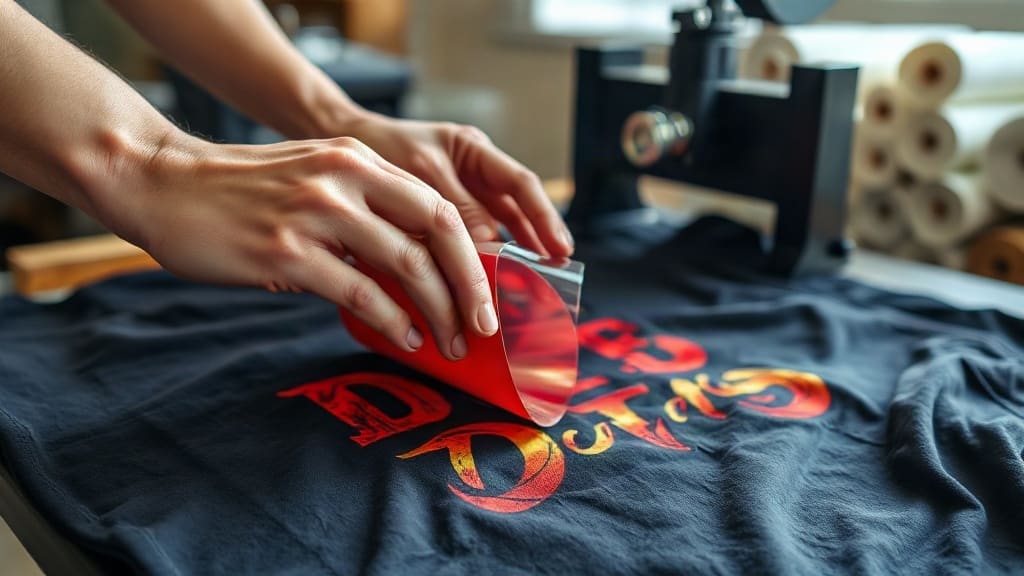
- Transfer: The film is placed on the garment and heat-pressed. After cooling, the film is peeled away, leaving the design bonded to the fabric.
Why Choose DTF Transfers?
There are several compelling reasons why DTF transfers have become a go-to for many in the apparel decoration industry.
Versatility Across Fabrics
One of the biggest advantages is that DTF works on almost any fabric, including cotton, polyester, nylon, leather, and even treated wood. This opens up possibilities for customizing items like tote bags, hats, and jackets, not just t-shirts.
No Weeding Required
Unlike vinyl cutting, DTF doesn't require weeding tiny details. This saves significant time and reduces waste, especially for intricate designs with fine lines or small text.
Vibrant, Durable Prints
DTF transfers produce high-resolution, full-color images with excellent washability. When applied correctly, they can withstand dozens of washes without fading or cracking. The prints also have a soft feel, not the thick, plastic-like texture of some other methods.
Cost-Effective for Short Runs
For small businesses or individuals, DTF is cost-effective because you can print one-off designs without minimum order quantities. You only produce what you need, reducing inventory waste.
Applications of DTF Transfers
From custom t-shirts for events to personalized gifts, DTF transfers are incredibly versatile. Here are some common uses:
- Custom apparel for sports teams, clubs, and businesses
- Personalized gifts like baby onesies, aprons, and pillows
- Promotional items for marketing campaigns
- Fashion prototyping and small-batch production
- DIY projects for crafters and hobbyists
How to Apply DTF Transfers: A Step-by-Step Guide
Applying DTF transfers is straightforward, but following the correct steps ensures a professional, long-lasting result.
What You'll Need
- Heat press (or iron with no steam)
- DTF transfer film with your design
- Garment (pre-washed and dried)
- Parchment paper or Teflon sheet
- Heat-resistant tape (optional)
Step 1: Preheat the Garment
Preheat your heat press to the recommended temperature (usually 300-325°F or 150-160°C). Pre-press the garment for 5-10 seconds to remove moisture and wrinkles. This helps the transfer adhere better.
Step 2: Position the Transfer
Place the DTF transfer face down on the garment. If needed, secure it with heat-resistant tape to prevent shifting.
Step 3: Apply Heat and Pressure
Press with medium to firm pressure for 10-15 seconds. The exact time and temperature can vary based on the film manufacturer, so always check their instructions.
Step 4: Peel the Film
After pressing, allow the transfer to cool completely before peeling off the film. This is a "cold peel" process, which ensures the design stays intact.
Step 5: Post-Press (Optional)
For added durability, you can cover the design with parchment paper and press again for 5-10 seconds. This helps the adhesive fully set.
Common Mistakes to Avoid with DTF Transfers
Even though DTF is forgiving, some pitfalls can ruin your project. Watch out for these:
- Insufficient pressure: Leads to poor adhesion and early peeling.
- Wrong temperature: Too hot can scorch the film or garment; too cool won't activate the adhesive.
- Peeling too soon: Always wait for the transfer to cool; peeling while hot can distort the design.
- Not pre-pressing: Moisture in the fabric can cause the transfer to lift.
- Using the wrong film: Ensure your film is compatible with your printer and fabric type.
DTF vs. Other Printing Methods
How does DTF stack up against DTG, screen printing, and vinyl? Here's a quick comparison:
- DTG: Best for 100% cotton, requires pre-treatment, softer feel but less durable on synthetics.
- Screen Printing: Cost-effective for large orders, but setup costs are high and not ideal for complex designs.
- Vinyl: Great for simple designs, but weeding is time-consuming and multi-color designs are labor-intensive.
- DTF: Versatile, no weeding, vibrant colors, works on many fabrics, and cost-effective for short runs.
Frequently Asked Questions About DTF Transfers
How long do DTF transfers last?
When applied correctly, DTF transfers can last 50+ washes. Proper care, like washing inside out in cold water and avoiding bleach, extends their life.
Can I use a regular iron for DTF transfers?
Yes, but a heat press is recommended for consistent results. If using an iron, set it to the highest temperature with no steam and apply firm pressure.
Do DTF transfers work on dark colors?
Absolutely! The white ink base in DTF transfers makes them ideal for dark garments, ensuring colors remain vibrant.
What fabrics are not suitable for DTF?
DTF works on most fabrics, but avoid extremely stretchy or heat-sensitive materials like certain nylons or spandex without testing first.
Can I print DTF transfers at home?
Yes, with a DTF printer and curing oven. However, many choose to order pre-printed transfers from professional services for convenience.
Whether you're a small business owner looking to expand your product line or a DIY enthusiast wanting to create custom gifts, DTF transfers offer a flexible, high-quality solution. With the right techniques and a bit of practice, you can achieve professional-looking results that impress.