
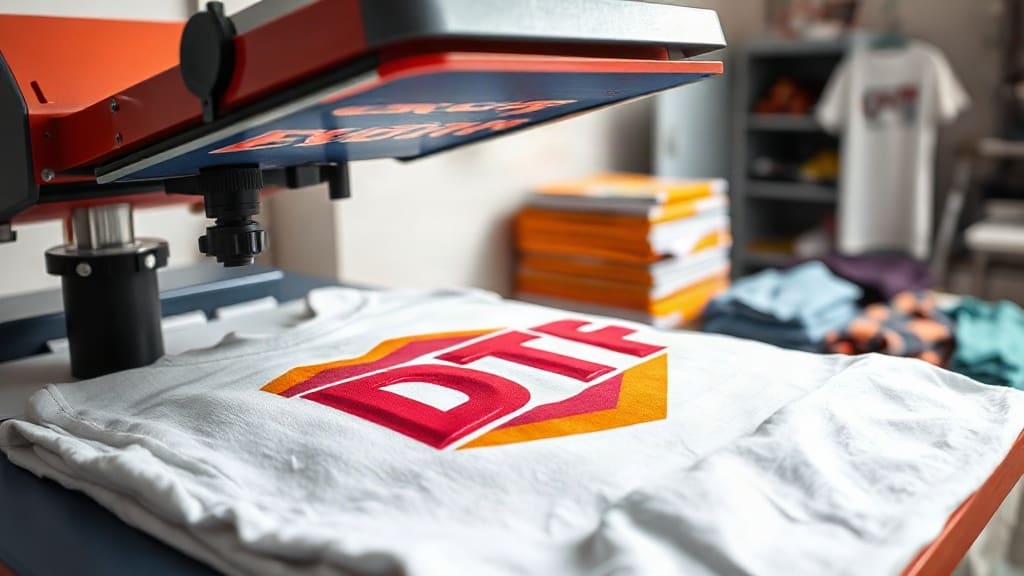
When it comes to custom apparel, DTF transfers have become a game-changer for small businesses, crafters, and anyone looking to create vibrant, long-lasting designs. Unlike traditional methods that require multiple steps and specialized equipment, DTF transfers offer a streamlined process that works on almost any fabric. Whether you're printing t-shirts for a family reunion or launching a clothing brand, understanding DTF transfers can save you time and money while delivering professional results.
What Are DTF Transfers?
DTF stands for Direct to Film. It's a printing technique where your design is printed onto a special film, coated with a powder adhesive, and then heat-pressed onto the fabric. The result is a soft, stretchable, and durable print that bonds permanently with the material. Unlike DTG (Direct to Garment) printing, which requires pre-treatment and works best on 100% cotton, DTF transfers adhere to a wide range of fabrics, including polyester, blends, and even leather. This versatility makes them a favorite for those who want to print on different garment types without switching equipment.
Why Choose DTF Transfers Over Other Methods?
If you've tried screen printing or vinyl, you know the limitations: screen printing is cost-effective for large orders but expensive for small batches, while vinyl is great for simple designs but struggles with intricate details. DTF transfers bridge the gap. They allow for full-color, high-detail prints without minimum order quantities. Plus, the process is cleaner and faster than many alternatives. You don't need to weed vinyl or mix inks; just print, powder, and press. The prints are also incredibly durable, surviving dozens of washes without cracking or fading. For businesses, this means less waste and happier customers.
Key Benefits of DTF Transfers
- Versatility: Works on cotton, polyester, blends, and more.
- No minimums: Ideal for one-off projects or small runs.
- Vibrant colors: Achieve photorealistic details and gradients.
- Durability: Resists cracking, peeling, and fading.
- Cost-effective: Lower startup costs compared to screen printing.
How to Apply DTF Transfers: Step-by-Step
Applying DTF transfers is straightforward, but following the right steps ensures a professional finish. Here's what you need to know.
1. Prepare Your Workspace and Materials
Gather your heat press, DTF transfer film, garment, and a protective sheet (like parchment paper or Teflon). Ensure your heat press is set to the correct temperature, typically around 325°F (160°C). Pre-press the garment for a few seconds to remove moisture and wrinkles, which helps the transfer adhere evenly.
2. Position and Press
Place the DTF transfer face-down on the garment. If your transfer has a clear carrier film, the printed side should be against the fabric. Apply medium pressure for 15-20 seconds. The exact time may vary based on your press and film type, so always test with a scrap piece first.
3. Peel and Finish
After pressing, allow the transfer to cool completely before peeling off the carrier film. You can peel it hot or cold, but cold peel is more common for DTF. Once peeled, you'll see a vibrant, smooth print. For extra durability, you can press again for a few seconds with a protective sheet.
Common Challenges and How to Avoid Them
Even with a simple process, issues can arise. Here are some common problems and their solutions.
Adhesion Problems
If the transfer peels off after washing, it's likely due to insufficient pressure, wrong temperature, or not pre-pressing the garment. Always follow the film manufacturer's recommendations and use a heat gun or infrared thermometer to verify your press temperature.
Color Fading or Cracking
This often happens when the transfer is over-stretched or washed in hot water. Turn garments inside out and wash in cold water to prolong the life of your DTF prints. Also, avoid using fabric softeners, which can break down the adhesive.
Film Sticking to the Press
If the film sticks to the heat press, it's usually because the press is too hot or you're using too much pressure. Reduce the temperature slightly and use a protective sheet between the press and the transfer.
DTF Transfers vs. Other Printing Methods
Let's compare DTF transfers to other popular techniques to help you choose the best option for your project.
DTF vs. DTG
DTG printing directly applies ink to the garment and is excellent for 100% cotton. However, it requires pre-treatment, and the colors may not be as vibrant on dark fabrics. DTF transfers, on the other hand, can be used on any color and fabric without pre-treatment, making them more versatile.
DTF vs. Screen Printing
Screen printing is cost-effective for large orders but requires separate screens for each color, which is impractical for small batches or complex designs. DTF transfers are perfect for small runs and full-color images, with no setup fees.
DTF vs. Vinyl
Vinyl is great for simple text and shapes but can't handle gradients or photographic images. DTF transfers excel at detailed, multi-color designs and are softer on the fabric.
Tips for Getting the Best Results with DTF Transfers
To ensure your DTF transfers look professional and last long, keep these tips in mind:
- Always test your settings on a scrap garment before pressing the final product.
- Store unused transfer film in a cool, dry place to prevent moisture damage.
- Use a quality heat press with consistent temperature and pressure.
- For stretchy fabrics, use a stretchable DTF film to prevent cracking.
- Wash garments inside out in cold water and hang dry when possible.
Frequently Asked Questions About DTF Transfers
Can I use DTF transfers on dark fabrics?
Absolutely! DTF transfers include a white ink layer that makes colors pop on dark garments. You don't need to change your design; just print and press.
How long do DTF transfers last?
With proper application and care, DTF transfers can last as long as the garment itself. They withstand repeated washing without fading or cracking, often outlasting vinyl and DTG prints.
Do I need a special printer for DTF transfers?
Yes, you need a DTF printer that uses pigment inks and can print onto PET film. However, you can also buy pre-printed DTF transfers from suppliers if you don't want to invest in a printer.
Can I iron on DTF transfers without a heat press?
While a heat press is recommended for consistent results, you can use a household iron. Set it to the highest temperature without steam, press firmly for 30-40 seconds, and ensure even pressure. It's trickier but possible for small projects.
Are DTF transfers safe for children's clothing?
Yes, DTF transfers are safe for all ages when applied correctly. The inks are CPSIA-compliant, and the prints are soft and flexible, making them comfortable for kids.