
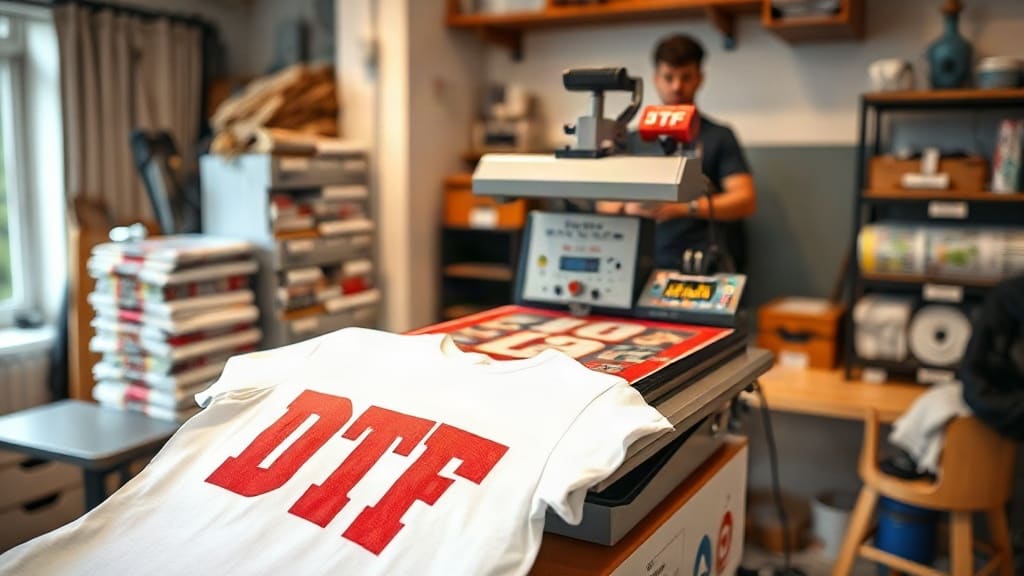
When it comes to custom apparel, DTF transfers have rapidly become a game-changer for small business owners, crafters, and anyone looking to add a personal touch to clothing. Unlike traditional screen printing or vinyl, DTF transfers offer a unique combination of vibrant colors, fine detail, and durability that works on almost any fabric. Whether you're making t-shirts for your team, creating a side hustle, or just experimenting with DIY projects, understanding DTF transfers can open up a world of creative possibilities.
In this guide, we'll dive deep into what DTF transfers are, how they compare to other methods, and how you can use them to produce professional-quality results right from your home studio. We'll also share practical tips and answer common questions to help you get started with confidence.
What Are DTF Transfers?
DTF stands for Direct to Film. It's a printing technology where your design is printed onto a special PET film using water-based inks, then coated with a hot-melt adhesive powder. Once the powder is cured, the transfer is ready to be applied to fabric using a heat press. The result is a soft, flexible print that bonds permanently to the material.
The process involves several steps: designing your artwork, printing it onto the film, applying the adhesive powder, shaking off the excess, and then curing the powder with heat. After that, you can store the transfers for later use or apply them immediately. This method is particularly popular because it doesn't require weeding (unlike vinyl) and can reproduce complex, multi-color designs with ease.
How DTF Transfers Differ from Other Printing Methods
Compared to screen printing, DTF transfers are more cost-effective for small batches and allow for full-color designs without the need for multiple screens. Unlike DTG (Direct to Garment), DTF works on a wider range of fabrics, including cotton, polyester, blends, and even treated nylon. And unlike vinyl, you don't have to cut and weed each color separately, which saves a tremendous amount of time on intricate designs.
Another key difference is the feel. DTF transfers have a slightly rubbery texture, but they're thin and stretch with the fabric, so they don't crack or peel easily when properly applied. They also hold up well after repeated washing, making them a durable choice for everyday wear.
Why Choose DTF Transfers for Your Custom Apparel?
There are many reasons why DTF transfers have gained such a loyal following. Here are some of the most compelling benefits:
- Vibrant colors: DTF printers use CMYK plus white ink, which means you can achieve bright, opaque colors even on dark garments without a separate white underbase.
- Fine detail: Because the design is printed, not cut, you can reproduce gradients, photographs, and tiny text with incredible precision.
- Fabric versatility: DTF transfers adhere to cotton, polyester, cotton-poly blends, leather, and more. This makes them ideal for a wide range of products beyond t-shirts, such as tote bags, hoodies, and even hats.
- No weeding: Say goodbye to the tedious process of cutting and removing excess vinyl. With DTF, you simply print, powder, cure, and press.
- Cost-effective for small runs: Unlike screen printing, which requires setup costs per color, DTF transfers are economical for one-off items or small batches.
- Durability: When applied correctly, DTF transfers can withstand dozens of washes without fading, cracking, or peeling.
These advantages make DTF transfers an excellent choice for small businesses that want to offer custom apparel without investing in expensive equipment or outsourcing to a print shop.
How to Apply DTF Transfers: Step-by-Step
Applying DTF transfers is straightforward, but following the right steps ensures a professional, long-lasting result. Here's what you need to do:
1. Prepare Your Heat Press
Set your heat press to the recommended temperature, usually between 300°F and 325°F (150°C to 160°C). Prepress your garment for a few seconds to remove moisture and wrinkles. This step is crucial because any moisture can interfere with adhesion.
2. Position the Transfer
Place the DTF transfer onto the garment with the printed side facing up. If your transfer has a white backing, that's the side that goes against the fabric. Use heat-resistant tape if needed to keep it in place.
3. Press the Transfer
Apply medium to high pressure for 10 to 15 seconds. The exact time can vary depending on your press and the transfer manufacturer's instructions, so always check the guidelines. After pressing, let the garment cool completely before peeling the film. This is called a "cold peel."
4. Peel and Post-Press
Once cool, slowly peel away the film. The design should remain on the fabric. For added durability, you can cover the design with a Teflon sheet or parchment paper and press again for 5 to 10 seconds. This second press helps the adhesive fully bond with the fibers.
That's it! Your custom apparel is ready to wear or sell.
Common Mistakes to Avoid with DTF Transfers
Even though DTF transfers are forgiving, a few missteps can ruin your results. Here are some pitfalls to watch out for:
- Not pre-pressing: Skipping the pre-press can leave moisture in the fabric, causing the transfer to peel.
- Incorrect temperature or pressure: Too low, and the adhesive won't activate; too high, and you might scorch the fabric or the transfer.
- Peeling too soon: Always wait for the transfer to cool completely before peeling. Peeling while hot can stretch the design or leave adhesive residue.
- Using the wrong side: Make sure the printed side faces up and the adhesive side touches the fabric.
- Not storing transfers properly: Keep unused transfers in a cool, dry place, away from direct sunlight. They can last for months if stored correctly.
By avoiding these mistakes, you'll achieve consistent, professional-looking results every time.
DTF Transfers vs. Other Methods: A Quick Comparison
To help you decide if DTF is right for your project, here's a side-by-side comparison with other popular printing methods:
- DTF vs. Screen Printing: Screen printing is more cost-effective for large orders (100+ items) but requires setup and is limited in color complexity. DTF wins for small batches and detailed designs.
- DTF vs. DTG: DTG prints directly onto the garment, which is great for 100% cotton but less vibrant on dark colors. DTF works on more fabrics and produces brighter colors on darks.
- DTF vs. Vinyl: Vinyl requires weeding and layering, which is time-consuming. DTF is faster for multi-color designs and offers softer results.
- DTF vs. Sublimation: Sublimation only works on polyester and light-colored fabrics. DTF adheres to cotton and can be used on any color.
Each method has its place, but DTF transfers offer a unique blend of versatility, quality, and ease of use that makes them a top choice for many creators.
Frequently Asked Questions About DTF Transfers
How long do DTF transfers last?
When applied correctly and cared for properly, DTF transfers can last as long as the garment itself. They withstand repeated washing without fading or cracking. To maximize longevity, wash inside out in cold water and avoid bleach or fabric softeners.
Can I use DTF transfers on any fabric?
DTF transfers work best on cotton, polyester, and blends. They can also be applied to leather, denim, and even some synthetic materials. However, fabrics with a heavy texture or waterproof coating may not adhere well.
Do I need a special printer for DTF transfers?
Yes, DTF printing requires a dedicated DTF printer that uses pigment inks and a white ink channel. However, you can also buy pre-printed DTF transfers from suppliers and apply them with a standard heat press.
What is the best temperature for pressing DTF transfers?
Most DTF transfers press at 300°F to 325°F (150°C to 160°C) for 10 to 15 seconds with medium to high pressure. Always follow the specific instructions provided by your transfer supplier.
Can I stretch DTF transfers?
Yes, DTF transfers are flexible and will stretch with the fabric to some extent. However, excessive stretching may cause the print to crack over time. It's best to avoid stretching the printed area when putting on or taking off the garment.
With this knowledge in hand, you're ready to explore the world of DTF transfers and elevate your custom apparel projects. Whether you're a hobbyist or a business owner, DTF transfers provide a reliable, high-quality solution for bringing your designs to life.