
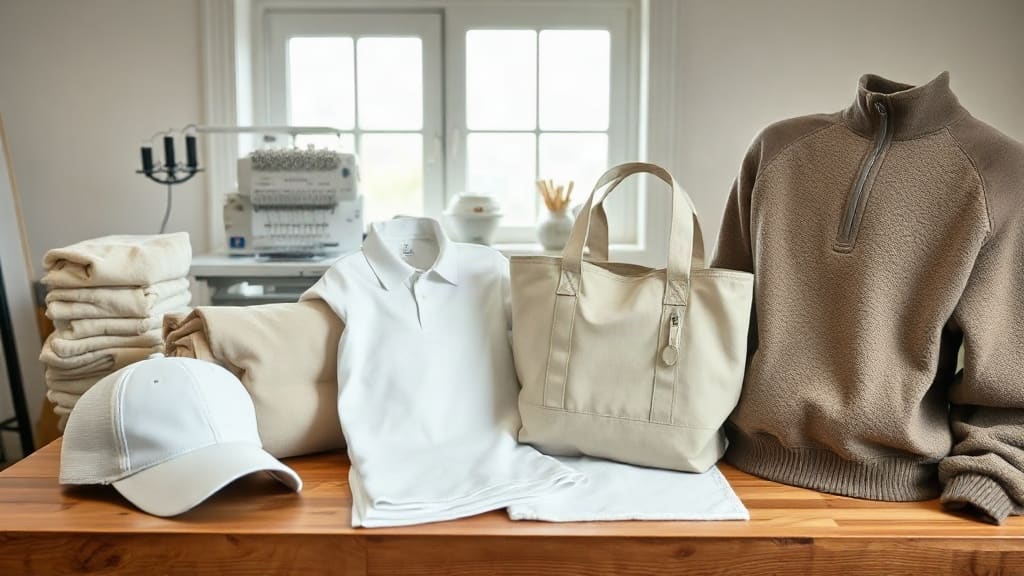
When you invest time and creativity into custom embroidery, the last thing you want is a finished piece that looks amateurish because the garment let you down. The foundation of every great embroidered item is the blank itself. In the embroidery world, we call these smart blanks: garments and accessories specifically engineered to work beautifully with embroidery machines. They are not just any t-shirt or cap; they are selected for their fabric, construction, and durability. If you are running an embroidery business or creating gifts, understanding smart blanks is your shortcut to consistent, professional results that keep customers coming back.
What Makes a Blank "Smart" for Embroidery?
Not all blanks are created equal. A smart blank has several key characteristics that make it ideal for stitch work. First, the fabric must be stable enough to support dense embroidery without puckering or sagging. Second, the garment should have a tight weave that prevents stitches from sinking into the fabric. Third, the construction details, such as seams and stabilizer compatibility, matter more than you might think. When you choose smart blanks, you are essentially setting your embroidery machine up for success before the first stitch is sewn.
Fabric Matters: Why Some Blanks Resist Puckering
Puckering is the enemy of clean embroidery. It happens when the fabric is too loose or stretchy, causing the stitches to pull the material inward. Smart blanks are typically made from tightly woven cotton, cotton-poly blends, or stable synthetics like nylon. For example, a 100% cotton twill cap with a structured front holds its shape beautifully, while a flimsy polyester cap may warp under the needle. Similarly, for apparel, a mid-weight pique polo or a canvas tote provides the firm base that embroidery needs. Always test a sample stitch on a scrap piece if you are trying a new blank; it takes minutes and saves hours of frustration.
Construction Counts: Seams, Stabilizers, and More
Beyond fabric, the way a garment is put together affects embroidery quality. Smart blanks often feature reinforced seams and flat felled edges that lie smooth under the hoop. They also have consistent thickness, so your machine's auto-tension works reliably. Another factor is the presence of a backing or lining that can support stabilizer. For instance, a well-made jacket with a smooth interior allows you to float a piece of cutaway stabilizer without shifting. These details might seem minor, but they separate a professional-looking logo from one that looks like a home craft project.
Top Smart Blanks for Your Next Project
Based on years of embroidering on countless garments, certain blanks consistently deliver outstanding results. Here are some categories and specific examples that professionals trust.
- Caps: Structured six-panel caps with a buckram front, like those from Richardson or Flexfit, hold embroidery perfectly. Avoid unstructured dad hats with thin fabric unless you use a stiffener.
- Polos: Pique polos from brands like Port Authority or CornerStone offer a stable surface. Their cotton-poly blend minimizes shrinkage and puckering.
- Tote Bags: Heavy canvas totes (12 oz or more) are excellent for large designs. They are durable and provide a smooth, tight weave.
- Jackets: Soft shell or fleece jackets with a smooth face work well, but always use a topping like Solvy to prevent stitches from sinking into the nap.
- Blankets: Anti-pill fleece blankets are popular, but they require a water-soluble topping and a light touch to avoid flattening the fleece.
These are just starting points. The best blank for you depends on your specific design, stitch count, and customer preferences. Always keep a variety of smart blanks in stock so you can match the right garment to each job.
How to Identify Smart Blanks When Shopping
When you are sourcing blanks, either online or at a trade show, keep these criteria in mind. First, check the fabric weight and content. Heavier fabrics (like 5.5 oz or more for t-shirts) generally embroider better than lightweight ones. Second, look for tight weave; hold the fabric up to light and see how much passes through. Third, examine the seams: are they flat and consistent? Fourth, consider the colorfastness, especially if you plan to embroider with contrasting thread. Finally, read reviews from other embroiderers. Communities like embroidery forums or Facebook groups often share which blanks hold up best. Remember, a slightly higher price per blank often pays off in fewer rejects and happier clients.
Stabilizing Your Smart Blanks: Best Practices
Even the best blank needs proper stabilization. For most embroidery on smart blanks, a cutaway stabilizer is your go-to, especially for stretchy fabrics. For woven fabrics like canvas, a tearaway may suffice. Always hoop the stabilizer, not the garment, when possible, to avoid hoop burn. If you must hoop the garment, use a sticky stabilizer or float the item. Also, consider the needle: a sharp needle for woven fabrics and a ballpoint for knits. These small adjustments make a big difference in the final appearance.
Common Mistakes to Avoid with Blanks
Many embroiderers, especially those new to the craft, make avoidable mistakes that ruin otherwise good work. Here are the top pitfalls and how to sidestep them.
- Using cheap, unstable blanks: Saving a few dollars on a flimsy t-shirt often leads to puckering and unhappy customers. Invest in quality smart blanks from the start.
- Skipping a test stitch: Always test on a scrap of the same fabric. It reveals tension issues and puckering before you commit.
- Ignoring fabric grain: Hooping against the grain can cause distortion. Align the garment's grain with the hoop's edge.
- Overstretching the fabric: When hooping, do not pull the fabric tight; let the stabilizer do the work. Overstretching leads to puckering after the hoop is removed.
- Neglecting proper topping: For textured fabrics like fleece or terry cloth, a water-soluble topping prevents stitches from disappearing into the nap.
By avoiding these mistakes, you will achieve consistent, professional results that reflect well on your brand.
Why Smart Blanks Are a Smart Business Decision
If you run an embroidery business, the blanks you choose directly impact your bottom line. High-quality smart blanks reduce the need for rework, lower waste, and increase customer satisfaction. Clients notice when a garment feels substantial and the embroidery looks crisp. They are more likely to order again and refer others. Moreover, using reliable blanks speeds up production because you spend less time troubleshooting. In a competitive market, these efficiencies can set you apart. Whether you are embroidering for a corporate client or a local sports team, the blank is the canvas; make it a good one.
Frequently Asked Questions About Smart Blanks
What exactly are smart blanks and why should I use them?
Smart blanks are garments or accessories specifically chosen for their compatibility with embroidery. They have stable fabrics, tight weaves, and construction details that support dense stitching. Using them ensures your embroidery looks professional, reduces puckering, and minimizes production issues.
Can I embroider on any fabric, or do I need special blanks?
You can embroider on many fabrics, but not all yield good results. Stretchy, loose, or delicate fabrics often require additional stabilizers and careful handling. Smart blanks are pre-vetted for embroidery, so you spend less time fighting the fabric and more time creating beautiful designs.
How do I choose the right smart blank for my project?
Consider the item's end use, the design's stitch count, and the fabric's weight and weave. For example, a structured cap works well for a 3D puff design, while a heavy canvas tote is great for large flat logos. Always test a sample first.
Are smart blanks more expensive?
They can be slightly pricier than generic blanks, but the cost is offset by fewer rejects, less rework, and higher customer satisfaction. Think of it as an investment in quality that pays off in repeat business.
Where can I buy smart blanks?
Many online retailers and wholesale distributors specialize in blank apparel for embroidery. Look for brands known for quality, and read reviews from other embroiderers. Building a relationship with a reliable supplier ensures consistent stock.
Final Thoughts: Elevate Your Embroidery with Smart Blanks
Embroidery is an art, but it relies on a solid foundation. By choosing smart blanks, you set yourself up for success with every stitch. Whether you are a hobbyist or a professional, the right blank makes your work shine. So next time you plan a project, start with the blank. Your customers, and your reputation, will thank you.