
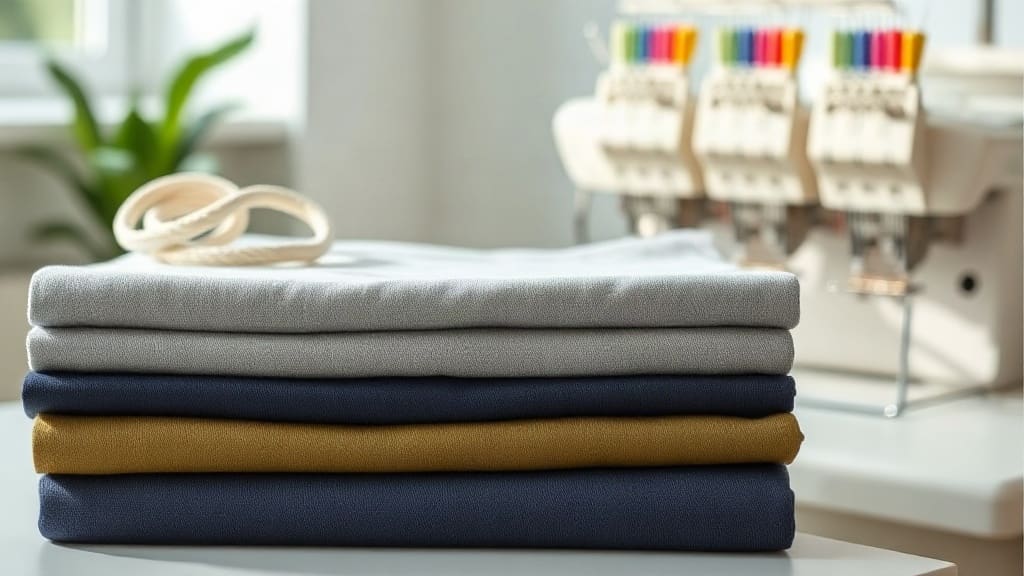
Walking through the aisles of a trade show last spring, I watched a seasoned embroiderer dismiss a rack of new blanks with a wave. "Just another gimmick," she muttered. Six months later, that same embroiderer called me, asking where she could buy those "smart" blanks in bulk. Her clients had been requesting them by name. This shift isn't isolated. Across the industry, smart blanks are quietly reshaping how embroiderers, decorators, and brands approach their craft. These aren't your grandfather's blanks. They're engineered textiles that respond to the wearer, simplify the embroidery process, and align with modern values like sustainability and performance. If you're still treating blanks as an afterthought, you're missing a pivotal opportunity to differentiate your work and meet evolving customer expectations.
What Exactly Are Smart Blanks?
The term smart blanks refers to garments and fabrics designed with advanced features that go beyond basic coverage. They might integrate moisture-wicking technology, temperature regulation, antimicrobial finishes, or sustainable materials like recycled polyester or organic cotton. Unlike traditional blanks, which are often chosen solely for cost or color, smart blanks are selected for how they perform during embroidery and how they function for the end user. For example, a smart polo might have a tight-knit structure that prevents needle marks, while a smart hoodie could feature a sueded fleece that holds stitch definition beautifully. The intelligence lies in the engineering: fabrics that adapt, endure, and enhance the final product.
In my own studio, I've tested dozens of blanks over the years. The difference between a standard cotton tee and a smart blank becomes obvious the moment you hoop it. Smart blanks tend to have more consistent grain, less shrinkage, and better recovery, which means fewer puckers and cleaner embroidery. That translates to less rework and happier clients.
Why the Shift Toward Smart Blanks?
Several forces are converging to make smart blanks a mainstream choice. First, consumer awareness has skyrocketed. People now read labels, ask about fabric origins, and expect garments to do more than just look good. They want apparel that wicks sweat, resists odors, and feels comfortable all day. Second, embroidery businesses are facing tighter margins and higher expectations. Smart blanks offer a way to add value without drastically increasing costs. Third, technological advances in textile manufacturing have made these features affordable and accessible. What was once niche is now scalable.
Consider the rise of performance fabrics in corporate wear. A company ordering 500 embroidered polos for a sales team isn't just thinking about logo placement; they're thinking about how those polos will hold up after 50 washes, whether they'll keep employees cool during a summer event, and if the fabric will still look crisp after months of use. Smart blanks answer those questions before they're asked.
Key Features That Define Smart Blanks
Not all blanks marketed as "smart" live up to the hype. Here are the features that genuinely matter when you're evaluating options for your embroidery projects.
Moisture Management and Breathability
Fabrics engineered to wick moisture away from the skin are a game-changer for activewear and uniforms. These blanks often use a blend of polyester and spandex or specially treated cotton. When embroidering, they require a bit more attention to stabilizer choice, but the result is a garment that performs as well as it looks.
Durability and Colorfastness
Smart blanks are tested for color retention and abrasion resistance. This means your embroidered logo won't fade into oblivion after a few washes. Look for blanks with a high thread count and tight weave, which also provide a smoother canvas for intricate designs.
Sustainable Materials
Recycled polyester, organic cotton, and Tencel are becoming staples in smart blanks. These materials reduce environmental impact and appeal to eco-conscious clients. They also tend to have a softer hand, which can be a selling point for retail brands.
Innovative Constructions
Some smart blanks feature seamless sides, tagless labels, or bonded seams. These details eliminate irritation and provide a cleaner look, especially for athletic wear. For embroiderers, seamless sides mean fewer obstructions when hooping.
How to Choose the Right Smart Blanks for Your Projects
Selecting the right blank is part art, part science. Here's a practical framework I use with my clients.
- Define the end use. Is the garment for a marathon, a corporate office, or a fashion-forward retail line? Each demands different features.
- Test the fabric with your embroidery. Always stitch a sample before committing to a bulk order. Check for puckering, needle deflection, and thread breaks.
- Consider the wearer's experience. Softness, fit, and feel matter. A smart blank that's uncomfortable won't be worn, no matter how advanced.
- Evaluate sustainability claims. Look for certifications like GRS (Global Recycled Standard) or Oeko-Tex to back up eco-friendly promises.
- Calculate total cost. A higher upfront price may be offset by fewer rejects, longer garment life, and increased customer satisfaction.
I once worked with a brewery that wanted embroidered hoodies for their staff. They initially chose a cheap blank, but after two months, the hoodies were pilling and the embroidery was fraying. We switched to a smart fleece with a sueded finish and antimicrobial properties. The staff loved them, and the brewery ordered more for retail. The lesson: smart blanks pay for themselves.
Embroidery Techniques for Smart Blanks
Smart blanks often require adjustments to your usual embroidery process. Here are some tips to get the best results.
- Needle selection: Use a sharp needle (like a 75/11 sharp) for tightly woven performance fabrics to avoid pulling.
- Stabilizer: Cut-away stabilizer works well for stretchy smart blanks; for lightweight fabrics, consider a no-show mesh.
- Thread: Polyester thread is durable and colorfast, ideal for activewear. For a softer look on organic cotton, try a matte finish thread.
- Density: Avoid overly dense designs on performance fabrics; they can stiffen the garment and reduce breathability.
- Testing: Always run a test stitch on a scrap piece of the same fabric before production.
These adjustments might add a few minutes to your setup, but they prevent costly mistakes and ensure a professional finish.
The Business Case for Smart Blanks
From a business perspective, offering smart blanks can set your embroidery shop apart. Clients increasingly ask for eco-friendly options, performance features, and garments that last. By stocking a curated selection of smart blanks, you become a solution provider, not just a decorator. You can also command higher prices because you're delivering added value. In my experience, shops that embrace smart blanks see higher customer retention and more referrals. It's a competitive edge that's hard to replicate with basic blanks.
Moreover, smart blanks align with the growing trend of customization. People want products tailored to their needs, and smart blanks offer a foundation for that personalization. Whether it's a moisture-wicking team jersey or a sustainable tote bag, the blank itself becomes part of the story.
Common Pitfalls to Avoid
Not every smart blank lives up to its label. Watch out for these issues.
- Greenwashing: Some brands claim sustainability without certification. Always ask for proof.
- Inconsistent sizing: Smart blanks from different manufacturers can vary in fit. Order samples before bulk.
- Poor embroidery compatibility: Some high-tech fabrics are tricky to embroider. Test first.
- Overpaying for hype: Not every feature adds value for your client. Focus on what matters for the intended use.
By staying informed and testing thoroughly, you can avoid these traps and make smart blanks a profitable part of your offerings.
Frequently Asked Questions About Smart Blanks
What are smart blanks and how are they different from regular blanks?
Smart blanks are garments made with advanced fabrics that offer performance benefits like moisture-wicking, antimicrobial properties, or sustainable materials. Unlike regular blanks, they are engineered to enhance both the embroidery process and the wearer's experience.
Are smart blanks suitable for all types of embroidery?
Most smart blanks work well with standard embroidery, but some require adjustments in needle, stabilizer, and thread choice. Always test on a sample first to ensure compatibility.
How do I verify the sustainability claims of smart blanks?
Look for third-party certifications such as GRS, Oeko-Tex, or Bluesign. Reputable suppliers will provide documentation to back up their claims.
Can smart blanks help reduce embroidery errors?
Yes, many smart blanks have tighter weaves and more consistent grain, which can reduce puckering and misalignment. However, proper hooping and stabilization are still essential.
Where can I buy smart blanks for my embroidery business?
Specialty textile suppliers and online distributors now carry smart blanks. At embroideredx.com, we offer a curated selection of high-quality smart blanks that are tested for embroidery performance. Browse our catalog to find the right options for your projects.