
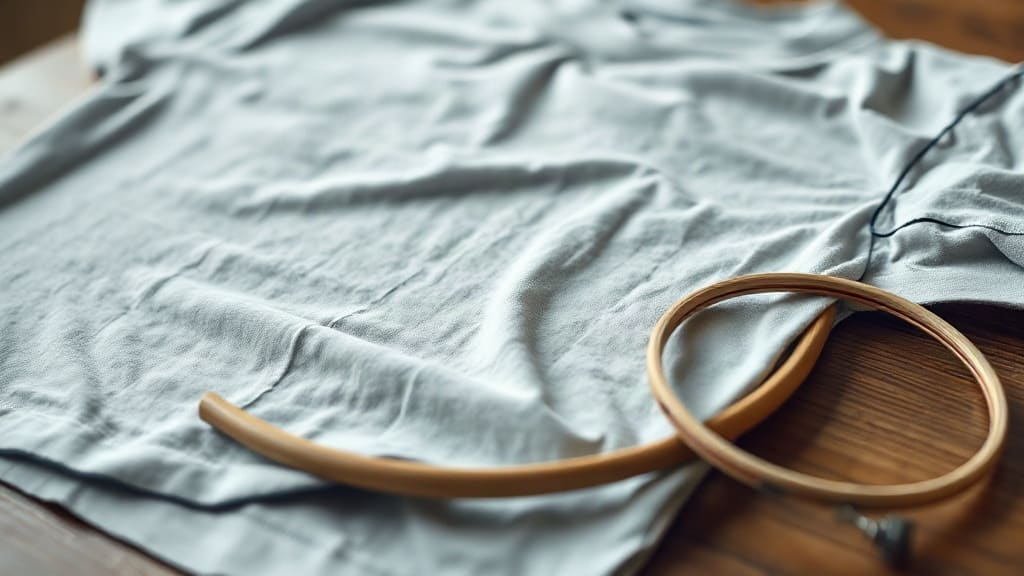
Every embroiderer knows the frustration of a beautiful design ruined by puckering, shifting, or poor fabric performance. You spend hours perfecting the stitch file, only to have the final product look amateurish. The culprit? Often, it's not your machine or your technique—it's the blank you chose. Enter smart blanks: specially engineered garments and fabrics designed to work seamlessly with embroidery. In this guide, we'll explore what makes a blank 'smart,' how to identify them, and why they can elevate your work from good to unforgettable.
What Are Smart Blanks?
Smart blanks are not just any t-shirt or tote bag. They are items manufactured with embroidery in mind. This means the fabric has been treated, stabilized, or constructed to minimize common issues like puckering, shrinkage, and needle damage. Unlike standard blanks, which may be optimized for printing or cost, smart blanks prioritize stitchability. They often feature tighter weave structures, consistent thread tension, and pre-shrunk materials. Some even include built-in stabilizers or fusible interfacings that eliminate the need for additional backing.
But smart blanks aren't limited to apparel. They include caps, bags, towels, and even leather goods. The key is that the manufacturer has considered the embroidery process from the start, ensuring that the blank will hold up under the needle and deliver a crisp, professional finish.
Why Smart Blanks Matter for Embroidery Quality
Embroidery is a physical process. The needle pushes through the fabric thousands of times, creating tension that can distort the material. If the blank isn't up to the task, you'll see it immediately: waves around the design, misaligned stitches, or even holes. Smart blanks mitigate these risks by providing a stable foundation. They are typically made from tightly woven cotton, polyester blends, or specialized fabrics that resist stretching. This stability allows the embroidery to lie flat and smooth, enhancing the overall appearance.
Reduced Puckering and Distortion
Puckering occurs when the fabric is pulled too tightly by the stitches. Smart blanks are engineered to minimize this by having a balanced weight and weave. For example, a 40-weight thread on a lightweight, loose-weave fabric will almost always pucker. But on a smart blank with a tighter weave and appropriate weight, the same design will look flawless. Additionally, many smart blanks are pre-washed or treated to reduce shrinkage, so your finished piece won't warp after the first wash.
Better Needle Performance
Dull needles and fabric damage go hand in hand. Smart blanks are often made from materials that are gentle on needles, reducing wear and tear. This means fewer needle breaks and less downtime. Moreover, the consistent density of smart blanks allows for higher stitch counts without compromising the fabric's integrity. If you've ever worked with a cheap blank that shredded under a dense design, you'll appreciate the difference.
How to Identify Smart Blanks
Not all blanks are created equal, and marketing labels can be misleading. Here's what to look for when sourcing smart blanks:
- Fabric weight and weave: Look for a tight weave and a weight suitable for embroidery (usually 5.5 oz or higher for knits).
- Pre-shrunk or washed: This reduces the risk of shrinkage after embroidery.
- Stabilizer compatibility: Some smart blanks come with a built-in stabilizer or are designed to work with minimal backing.
- Manufacturer reputation: Brands like Bella+Canvas, Next Level, and Gildan offer lines specifically engineered for embroidery.
- Testing: Always stitch a sample before committing to a large order. A true smart blank will perform consistently.
Keep in mind that smart blanks may cost slightly more, but the savings in time, waste, and rework far outweigh the upfront cost.
Choosing the Right Smart Blank for Your Project
The best smart blank depends on your design and the intended use. For corporate logos on polos, a durable poly-cotton blend with a tight pique weave works wonders. For delicate baby items, opt for soft, pre-shrunk cotton with a lightweight stabilizer. Caps require structured front panels and often a buckram or foam backing. Bags need sturdy canvas or nylon that can handle dense stitching.
Consider the stitch count and density of your design. High-density designs demand a heavier, more stable blank. Also, think about the end-user: will the item be washed frequently? If so, choose a smart blank with excellent colorfastness and shrinkage control.
Top Smart Blank Materials
- 100% Cotton: Soft, breathable, and ideal for casual wear. Look for combed ringspun cotton for a smoother surface.
- Cotton-Poly Blends: Combine the comfort of cotton with the durability and wrinkle resistance of polyester. Excellent for polos and button-downs.
- Performance Fabrics: Moisture-wicking and stretchy, these require special stabilizers but can yield impressive results.
- Canvas and Twill: Perfect for bags, aprons, and outerwear. Their tight weave handles dense embroidery beautifully.
Maximizing Results with Smart Blanks
Even with the best blank, technique matters. Use the right needle size and type: a sharp point for woven fabrics, a ballpoint for knits. Adjust your tension and stitch density accordingly. Always use a cutaway or tearaway stabilizer as needed; smart blanks reduce the amount required but don't eliminate the need entirely. And don't skip the test stitch-out. A few minutes of testing can save hours of rework.
Finally, educate your clients. Explain why you choose smart blanks and how it benefits them. They'll appreciate the quality and durability, and you'll build a reputation for excellence.
Frequently Asked Questions
What exactly makes a blank 'smart' for embroidery?
A smart blank is specifically designed or treated to enhance embroidery outcomes. This includes features like tight weave, pre-shrinking, and compatibility with stabilizers, all of which reduce puckering and distortion.
Are smart blanks more expensive than regular blanks?
Often, yes, but the cost difference is usually small. The reduced waste, fewer errors, and higher quality justify the investment, especially for client work.
Can I use smart blanks for large, dense embroidery designs?
Absolutely. Smart blanks are ideal for dense designs because their stability supports high stitch counts without fabric damage. Just ensure the blank's weight and weave match the design's requirements.
How do I know if a blank is truly 'smart'?
Look for manufacturer specifications that mention embroidery suitability, pre-shrinking, and recommended stabilizers. Reading reviews from other embroiderers can also help. When in doubt, order a sample and test it.
Do smart blanks require special needles or threads?
Not necessarily, but using the appropriate needle for the fabric type (e.g., ballpoint for knits) and a quality thread will always improve results. Smart blanks simply provide a better canvas.